 By admin
 14 Subtle Cancer Warning Signs Women Cannot Afford to Ignore
As women navigate life beyond their mid-thirties, it’s common to experience minor bodily shifts, often dismissed as typical signs of aging, everyday stress, or general tiredness. Yet, these seemingly insignificant changes, often referred to as ‘silent signals,’ can occasionally indicate underlying serious health issues, including various cancers that progress stealthily. Extensive medical research consistently highlights the profound impact of recognizing and addressing persistent symptoms early. While the majority of these changes are benign, developing an awareness of recurring patterns is crucial for women to actively manage their health. Imagine if paying closer attention to these daily cues could empower you with greater control over your health journey. This article delves into 14 frequently overlooked warning signs, supported by medical insights, and offers practical advice for maintaining vigilance.
Why These Signals Often Go Unnoticed After 35
For women, the period after 35 often brings increased demands from careers, family life, and other personal commitments. During this busy phase, it’s easy to attribute emerging discomforts to common factors like hormonal fluctuations, the onset of perimenopause, or simply accumulated stress, making them seem like a routine part of life. Research, including numerous women’s health awareness surveys, reveals that a substantial number of women mistakenly link persistent fatigue, alterations in digestion, or minor pains to these daily pressures instead of seeking professional medical advice. This tendency to delay professional consultation can unfortunately allow subtle health problems to advance without detection. The positive takeaway? Cultivating straightforward habits, such as diligently tracking any physical changes, can significantly improve the chances of identifying when a symptom truly warrants medical investigation.
The Silent Signals: What Your Body Might Be Trying to Tell You
Rather than sudden, dramatic alarms, your body often communicates through consistent, subtle patterns. Below, we outline 14 specific signals frequently documented in medical literature as potential early warning signs for various cancers affecting women. It’s crucial to emphasize that these symptoms are not conclusive evidence of cancer; indeed, many originate from entirely benign conditions. However, if any of these persist for more than a couple of weeks, seeking professional medical evaluation is highly recommended.
Signal 1: Persistent Bloating
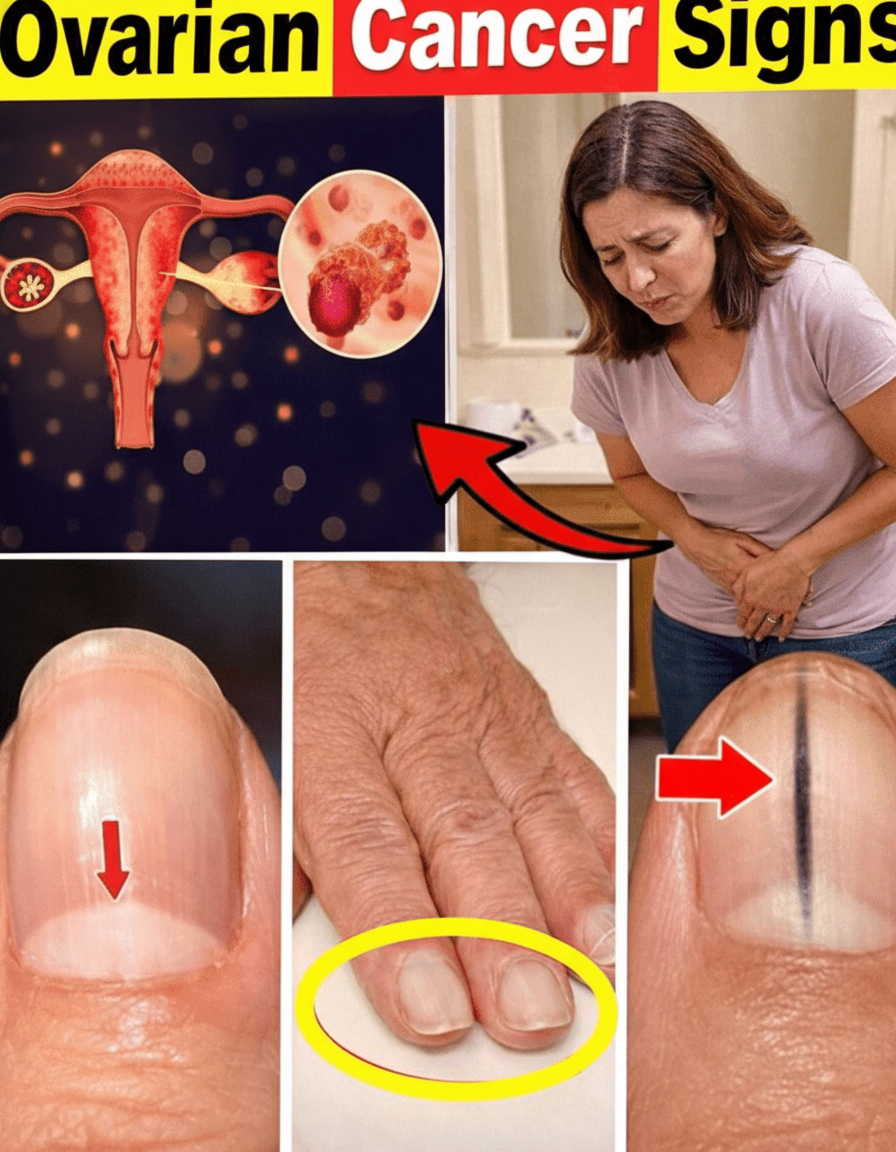
An unyielding sensation of fullness or abdominal distension that doesn’t resolve with dietary adjustments or regular bowel movements is a notable indicator, particularly in the context of ovarian cancer. Unlike the temporary bloating that might follow a large meal, this persistent form is present daily and often manifests as a feeling of pressure. Studies from gynecologic oncology extensively report persistent bloating as a common symptom in early-stage ovarian cancer, frequently misdiagnosed as routine digestive problems. If you experience this symptom for over two weeks, it’s advisable to monitor its frequency and consult your physician for a thorough assessment.
Signal 2: Unexplained Fatigue
Experiencing profound exhaustion even after adequate rest or periods of relaxation? A pervasive, debilitating tiredness that significantly impairs your daily activities is frequently cited in research concerning various cancers, including leukemia, breast, and ovarian. Distinct from typical weariness, this type of fatigue does not alleviate with standard recuperation methods. A critical aspect to remember is that it often accompanies other bodily changes. Document its duration and intensity, then have an open conversation with your healthcare provider.
Signal 3: Abnormal Bleeding or Spotting
Any uncharacteristic vaginal bleeding – whether occurring between menstrual cycles, following sexual intercourse, or post-menopause – warrants immediate medical evaluation. Medical literature consistently associates irregular or postmenopausal bleeding with potential cervical or endometrial cancer risks. Even minimal, recurring spotting can be a crucial indicator. Maintaining a simple record of the timing and characteristics of the bleeding will be invaluable when discussing these details with your healthcare professional.
Signal 4: Unexplained Weight Loss
Shedding weight without making deliberate changes to your diet or exercise routine is a significant red flag. Research frequently links unintentional weight loss (particularly a loss of 10 pounds or more) to several types of cancer, such as pancreatic or various gastrointestinal cancers. If this weight loss is also accompanied by noticeable changes in appetite, it warrants prompt medical assessment.
Signal 5: Persistent Pain
A dull, continuous ache in the pelvic region, abdomen, or back that fails to subside with rest or standard over-the-counter pain relievers is often mentioned in reports concerning ovarian or colorectal health issues. Any pain that persists for more than two weeks, especially if it’s a new sensation or is progressively worsening, necessitates a conversation with your doctor.
Signal 6: Changes in Bowel Habits
Abrupt and enduring alterations in bowel patterns, suchs as prolonged bouts of constipation, persistent diarrhea, or stools that appear noticeably narrower than usual, can be indicative of colorectal concerns. When these changes persist without a clear dietary or lifestyle explanation, diligently tracking their patterns can help determine if further medical investigation is required.
Signal 7: Chronic Heartburn or Indigestion
Persistent discomfort, characterized by a burning sensation in the chest or upper abdominal area, which fails to respond to antacid medications, might, in certain instances, be associated with esophageal or stomach cancer. If these symptoms are frequent and remain unrelieved, they serve as a clear signal to seek medical consultation.
Signal 8: Skin Changes
The appearance of new moles, alterations in existing spots, or the development of unusual skin patches can be indicative of skin cancer or other dermatological issues. While less commonly a direct sign of internal cancers, vigilance is key. Performing regular self-examinations and documenting any evolution in skin lesions are vital practices for early detection and awareness.
Signal 9: Difficulty Swallowing
A persistent sensation of food getting stuck in your throat or painful swallowing (dysphagia) over time should not be ignored. This symptom can be linked to conditions affecting the throat or esophagus, including certain cancers in these areas. If you experience ongoing issues with swallowing, prompt medical evaluation is advised.
Signal 10: A Lump or Thickening
Any new lump, mass, or thickening felt in the breast, armpit, or any other part of the body, especially if it feels hard or fixed, warrants immediate medical attention. While not all lumps are cancerous, they should always be evaluated by a healthcare professional, particularly concerning breast cancer where early detection is paramount.
Signal 11: Changes in Urination
Noticeable changes in urinary habits, such as increased frequency, urgency, pain during urination, or the presence of blood in the urine, should be investigated. These symptoms can sometimes indicate bladder, kidney, or even ovarian cancer. Do not dismiss persistent urinary changes; consult your doctor for diagnosis.
Signal 12: Persistent Cough or Hoarseness
A cough that lingers for more than a few weeks without an obvious cause, or a persistent hoarseness or voice change, can sometimes be a subtle sign of lung, throat, or thyroid cancer. While often benign, especially with infections, a chronic cough or vocal alteration demands medical assessment to rule out more serious conditions.
Signal 13: Sores That Don’t Heal
Any sore, lesion, or ulcer on the skin or in the mouth that does not heal within a few weeks should be examined by a doctor. This includes persistent mouth sores, particularly for those who smoke or drink heavily. Non-healing sores can be an early indicator of various cancers, including skin cancer or oral cancer.
Signal 14: Changes in Lymph Nodes
Swollen lymph nodes, particularly in the neck, armpit, or groin, that persist for more than a few weeks and are not associated with a clear infection, warrant medical attention. While often benign, enlarged lymph nodes can sometimes signal lymphoma, leukemia, or the spread of other cancers. Pay attention to any new or growing lumps in these areas.
It is important to reiterate that experiencing one or more of these symptoms does not automatically mean you have cancer. However, listening to your body and acting promptly on persistent or unusual changes is a powerful step towards safeguarding your health. Regular check-ups, open communication with your doctor, and a proactive approach to your well-being are your strongest allies in early detection and successful treatment. Empower yourself with knowledge and never hesitate to seek professional medical advice.