 By admin
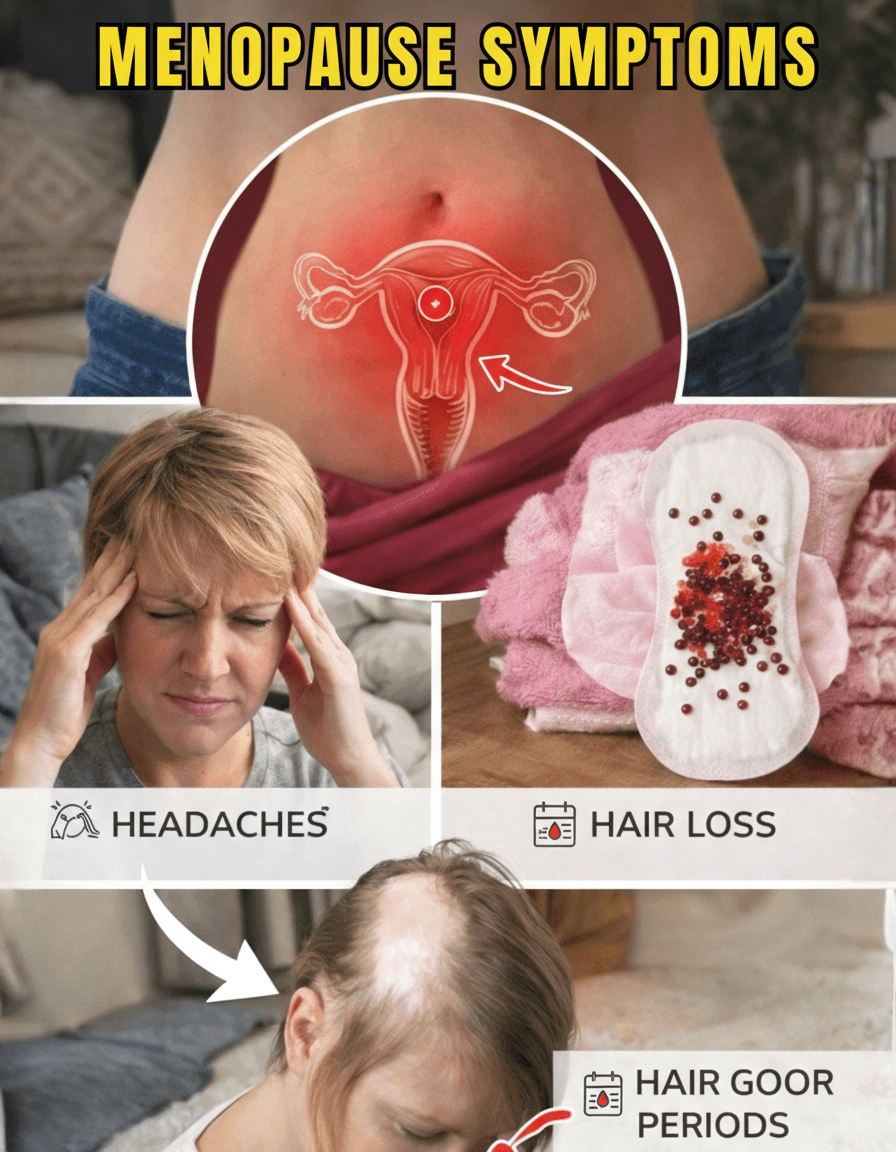
 Are you a woman in your 30s or early 40s experiencing puzzling body changes like erratic periods, sudden heat waves, or persistent fatigue? It’s common to dismiss these as everyday stress, a hectic schedule, or the natural aging process. However, such symptoms could be indicators of early menopause or premature ovarian insufficiency (POI), conditions where your ovaries cease normal function earlier than the typical age of 51.
Globally, early menopause affects up to 12% of women before 45, while POI impacts roughly 1-4% under 40 – affecting millions more than commonly perceived. The challenge often lies in recognizing these subtle signals before they significantly impact long-term health. Understanding these early signs is crucial; it empowers you to have informed discussions with healthcare professionals and take proactive steps towards your well-being. Join us as we explore these vital indicators and discuss actionable strategies.
The Unexpected Reality of Early Menopause Today
Hormonal shifts don’t always adhere to average timelines. Various factors, including genetics, autoimmune disorders, specific medical treatments like chemotherapy, or sometimes unknown causes, can trigger an earlier decline in ovarian function. Recent data highlights that this phenomenon is more prevalent than previously thought. Early menopause is specifically linked to increased risks concerning bone density, cardiovascular health, and overall vitality due to prolonged periods of lower estrogen levels.
If you’ve been overlooking skipped menstrual cycles or unexplained mood fluctuations as merely “part of life,” you’re certainly not alone. Many women do, only to discover later that these were significant early warnings. The empowering news is that heightened awareness facilitates more productive conversations with doctors and allows for timely lifestyle adjustments that can profoundly support your health journey.
10 Critical Signs Your Body Might Be Signaling Early Menopause
Here are ten common indicators that may suggest early menopause or POI. Remember, experiencing one or more of these symptoms doesn’t confirm a diagnosis – only a healthcare professional can provide clarity through appropriate evaluation and testing.
-
Irregular or Missed Periods
One of the earliest and most telling signs is a noticeable change in your menstrual cycle. Periods might become unpredictable – shorter, longer, heavier, lighter, or even absent for several consecutive months. For instance, a 38-year-old professional might initially worry about other issues when her periods suddenly stop. Consistently tracking your cycle with an app or calendar can reveal patterns that warrant a discussion with your doctor.
-
Hot Flashes and Night Sweats
Sudden, intense sensations of heat, often accompanied by sweating and skin flushing, can strike unexpectedly, even during important meetings or deep sleep. These vasomotor symptoms are a hallmark of hormonal shifts and can be incredibly disruptive. Simple cooling strategies, such as wearing breathable fabrics or using a bedside fan, can offer some immediate relief.
-
Sleep Problems
Difficulty falling asleep, staying asleep, or frequent awakenings – often exacerbated by night sweats – can lead to persistent exhaustion. Poor sleep quality compounds other symptoms, creating a challenging cycle to break. Establishing a consistent, calming bedtime routine can significantly improve your rest.
-
Mood Changes and Anxiety
Increased irritability, pronounced mood swings, or heightened feelings of anxiety can emerge as fluctuating estrogen levels impact brain chemistry. Many women describe feeling profoundly “not like themselves.” Openly discussing these feelings with trusted friends, family, or a mental health professional can provide essential support during these transitions.
-
Vaginal Dryness or Discomfort
Declining estrogen levels can lead to the thinning and drying of vaginal tissues, resulting in discomfort, particularly during intimacy, or changes in sensation. While common, this symptom is often treatable with various effective options. Discussing it with a healthcare provider can help identify the most suitable approaches for you.
-
Ongoing Fatigue
Feeling utterly drained despite getting adequate rest is a frustrating yet common experience when hormones fluctuate. It might feel indistinguishable from burnout, but addressing the underlying hormonal causes can gradually restore your energy levels.
-
Joint or Muscle Discomfort
New aches, stiffness, or discomfort in joints and muscles can sometimes appear, potentially linked to hormonal effects on inflammation and connective tissues. Incorporating gentle movement, stretching, and supportive lifestyle habits can make a notable difference for many.
-
Brain Fog or Memory Issues
Trouble concentrating, difficulty finding the right words, or mild forgetfulness are recognized cognitive changes during hormonal transitions. Strategies like mindfulness practices, brain-training exercises, or organizational tools can help many individuals maintain mental sharpness.
-
Concerns About Bone Health
Prolonged exposure to lower estrogen levels can accelerate bone density loss, significantly raising future considerations for osteoporosis risk. Engaging in proactive steps such as regular weight-bearing activities and ensuring adequate calcium and vitamin D intake are vital for supporting bone strength.
-
Heart-Related Sensations or Long-Term Cardiovascular Considerations
Some women may notice occasional heart palpitations or a racing heart. More broadly, the long-term impact of reduced estrogen levels can increase the risk of cardiovascular disease. This makes it crucial to monitor heart health, maintain a healthy lifestyle, and discuss any concerns with your doctor to mitigate potential future risks.
Next Steps: Empowering Your Health Journey
Recognizing these signs is the first crucial step. If you suspect you might be experiencing early menopause or POI, the most important action is to consult with a healthcare professional. They can conduct appropriate diagnostic tests, such as hormone level assessments (FSH, estrogen), and discuss your symptoms thoroughly. Early diagnosis allows for personalized management strategies, which might include hormone replacement therapy (HRT), lifestyle modifications, or other targeted treatments to alleviate symptoms and address long-term health concerns like bone density and cardiovascular wellness. Taking proactive steps now can significantly impact your future health and quality of life.
”
}
“`