 By admin
 What Is the Rice Method for Brighter Smiles? Exploring Facts, Potential Risks, and Effective Alternatives
A radiant smile is often considered a hallmark of confidence and good health. However, daily habits like enjoying coffee or red wine, coupled with the natural aging process, can gradually lead to teeth discoloration. This common aesthetic concern can make individuals feel self-conscious, impacting their willingness to smile freely. In the quest for a brighter smile, various home remedies frequently emerge online, with the ‘rice method’ recently gaining traction. This DIY approach suggests using ordinary rice to achieve whiter teeth. But is this viral trend a safe and effective solution, or does it pose hidden risks? Join us as we explore the facts behind the rice method, its potential dangers, and proven alternatives for achieving a truly brilliant smile.
Understanding the Rice Method: A Closer Look
The ‘rice method’ has become a buzzword across social media platforms, often presented as a rapid, natural solution for tackling discolored teeth. Essentially, this technique advocates for using rice, typically in a finely powdered form (rice flour), as a mild abrasive agent to scrub away extrinsic stains on tooth surfaces. While proponents suggest various concoctions, a widely circulated recipe often involves these steps:
- Preparation: Begin with approximately one tablespoon of raw rice grains.
- Grinding: Transform the rice into a fine powder using a blender, coffee grinder, or a traditional mortar and pestle.
- Mixing: Combine the resulting rice flour with a small amount of lemon juice (for its purported acidity), a touch of olive oil, and a dollop of regular toothpaste to form a paste.
- Application: Gently apply this homemade paste to your teeth with a soft-bristled toothbrush or your fingertip, rubbing lightly for one to two minutes.
- Rinsing: Conclude by thoroughly rinsing your mouth with water.
Those who champion this method believe that rice acts as a natural exfoliant, effectively polishing the tooth surface, while lemon juice is thought to chemically break down stains due to its acidic properties. This concept reportedly draws inspiration from historical practices in certain cultures where grains were utilized for oral hygiene. However, its current popularity is largely fueled by unverified claims and viral content online. It’s also worth noting that more extreme variations, such as directly chewing raw rice grains for scrubbing, are sometimes suggested, raising immediate concerns about potential damage.
The Truth Behind the Hype: Does It Really Work?
The allure of the rice method stems from its accessibility and low cost, utilizing common kitchen ingredients for a seemingly simple solution to teeth discoloration. However, a closer inspection reveals a significant gap between viral claims and scientific backing. Research specifically on the efficacy of rice flour as a teeth whitening agent is notably scarce. While it’s true that some mild abrasives can physically remove superficial, extrinsic stains caused by food and beverages, they are incapable of penetrating the tooth enamel to address deeper, intrinsic discoloration. Therefore, any perceived ‘whitening’ effect from the rice method is likely to be a temporary surface polish, akin to what one might achieve with other household abrasives like baking soda, rather than a genuine, lasting change in tooth shade.
Online user testimonials, frequently found on platforms like Reddit, present a mixed bag of results. Some individuals report a feeling of smoother teeth, while many others observe no discernible improvement in brightness even after consistent use over several weeks. Reputable dental organizations, such as the American Dental Association (ADA), consistently highlight that effective, long-term teeth whitening primarily relies on active ingredients like hydrogen peroxide or carbamide peroxide. These agents work by chemically breaking down stain molecules within the tooth structure. Crucially, rice possesses no such chemical whitening properties; it can only offer a mechanical cleaning action. Skepticism surrounding the rice method is further fueled by the prevalence of unverified claims on social media, which are sometimes influenced by affiliate marketing strategies rather than genuine dental expertise. It is always prudent to consult credible sources and dental professionals before attempting any DIY oral health remedies.
Potential Risks and Concerns with the Rice Method
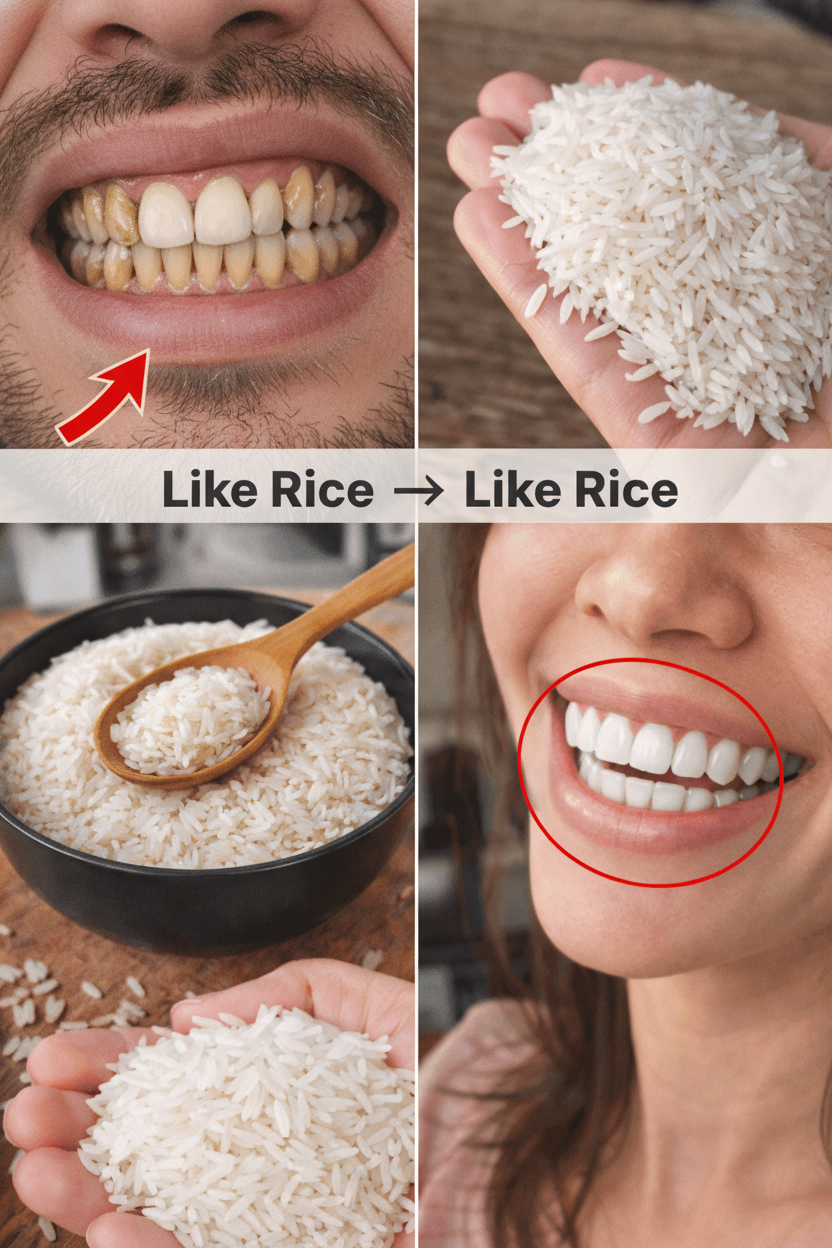
Despite its seemingly innocuous ingredients, the rice method carries significant oral health risks that far outweigh its unproven benefits. Understanding these potential drawbacks is crucial before considering any such DIY dental care approach.
The primary concern lies with the abrasive quality of rice flour. While intended to gently polish, aggressive or prolonged use can lead to irreversible enamel erosion. Enamel, the tough outer layer protecting your teeth, does not regenerate once damaged. Its loss exposes the softer dentin underneath, making teeth more susceptible to sensitivity, decay, and even further discoloration.
This risk is severely compounded by the inclusion of lemon juice. Lemons are highly acidic, typically possessing a pH level around 2. When applied to teeth, this strong acidity can soften tooth enamel, making it even more vulnerable to abrasive wear. Scientific literature, including warnings published in the British Dental Journal, consistently highlights that repeated exposure to acids can significantly increase dental sensitivity and the likelihood of developing cavities. While olive oil might add lubrication and toothpaste could offer a minor buffering effect, neither ingredient effectively neutralizes the potent acidity of lemon juice or mitigates the abrasive potential of rice flour in this homemade concoction.
Beyond enamel damage and increased sensitivity, other potential issues associated with the rice method include:
- Allergic Reactions: Individuals sensitive to any component in the mixture could experience gum irritation, inflammation, or other adverse reactions.
- Inconsistent Application: Lacking standardized preparation and application, users might apply the paste unevenly or too forcefully, leading to localized wear and inconsistent results.
- Hygiene Concerns: Preparing ingredients like rice flour at home without proper sterilization can introduce contaminants, posing a risk of infection or further oral health problems.
Dental professionals strongly caution against using acidic DIY mixtures on teeth, as they can severely disrupt the delicate pH balance of the mouth. A comprehensive review published in the Journal of the American Dental Association frequently underscores how many popular home remedies for teeth whitening ultimately cause more harm than good, often leading to lasting damage that requires professional dental intervention.
Safer and Scientifically Proven Alternatives for a Brighter Smile
Given the significant risks and questionable efficacy of the rice method, it’s essential to explore safe and scientifically backed approaches to achieve a brighter smile. Modern dentistry offers several reliable options for teeth whitening:
- Professional In-Office Whitening: Performed by a dental professional, this method uses high-concentration peroxide gels activated by light or laser. It delivers the most dramatic and rapid results, often in a single visit, while ensuring gum protection.
- Custom-Fit Take-Home Trays: Your dentist can create custom bleaching trays that fit your teeth precisely. These are used at home with a lower concentration peroxide gel over several weeks, offering excellent, controlled teeth whitening results.
- Over-the-Counter (OTC) Whitening Products: These include whitening strips, gels, and toothpastes. While less potent than professional treatments, products with the ADA Seal of Acceptance have been evaluated for safety and effectiveness in removing surface stains or providing mild whitening. Always follow instructions carefully.
- Maintaining Excellent Oral Hygiene: Regular brushing twice a day with fluoride toothpaste, daily flossing, and using an antiseptic mouthwash are fundamental for preventing new stains and supporting overall oral health.
- Dietary Modifications: Reducing consumption of highly pigmented foods and beverages (like coffee, tea, red wine, berries, and sodas) can significantly slow down the rate of tooth discoloration. Rinsing your mouth with water after consuming such items can also help.
- Regular Dental Check-ups and Cleanings: Routine visits to your dentist for professional cleanings remove plaque, tartar, and surface stains, contributing to a naturally brighter and healthier smile.