 By admin
 Decoding Menopause: 9 Key Signs Women Should Recognize
Waking up in a cold sweat or finding yourself unexpectedly short-tempered over minor issues can be disorienting. These frustrating physiological and emotional shifts often begin in your mid-40s or later, signaling the significant hormonal changes associated with the menopausal transition. Many women find themselves unprepared, often attributing these subtle indicators to stress, the natural aging process, or other unrelated factors. The good news is that early identification of these patterns can provide clarity, helping you understand what’s unfolding and explore effective strategies to regain your sense of well-being. There’s a powerful, unifying thread connecting all these symptoms that becomes evident once you understand the bigger picture.
Understanding the Menopausal Transition: Why It Can Be Perplexing
Menopause is clinically defined as the point when a woman has gone 12 consecutive months without a menstrual period, typically occurring around age 51 in Western countries. However, the preceding phase, known as perimenopause, can span several years. During this time, estrogen and progesterone levels fluctuate dramatically, leading to a cascade of effects that disrupt sleep, mood, and various bodily functions. Research from reputable institutions like the Mayo Clinic and Cleveland Clinic highlights the wide variability in symptoms among women, often making it challenging to connect the dots immediately. Gaining insight into these evolving changes is the first step toward proactively managing symptoms and finding relief.
9 Common Indicators of Menopause to Be Aware Of
Based on medical consensus and common experiences, here are nine significant signs many women observe during this transformative life stage:
9. Hot Flashes and Night Sweats
One of the most widely recognized symptoms, a hot flash manifests as a sudden, intense sensation of heat that typically originates in the chest or neck and rapidly spreads upwards. This is often followed by profuse sweating and sometimes chills. These episodes can occur at any time of day or night, lasting from a few seconds to several minutes. Studies suggest that up to 80% of women experience hot flashes during menopause. Night sweats, which can be severe enough to drench bedding and disturb sleep, are particularly prevalent. However, this isn’t the only way your body’s thermoregulation can be affected:
- An abrupt sensation of warmth in the face, neck, and chest
- Flushing of the skin and a rapid or pounding heartbeat
- Feeling clammy or chilly once the wave passes
If these occurrences are frequent, keeping a log of when they happen can often reveal specific triggers or patterns.
8. Irregular Periods
Your menstrual cycle may become increasingly erratic – periods might skip months entirely, arrive unexpectedly early, or become noticeably heavier or lighter than usual. This unpredictability frequently signals the onset of perimenopause as ovulation becomes less consistent. Many women first notice these shifts in their 40s. While it’s easy to dismiss these changes as stress-related, their persistent nature warrants closer attention. This often paves the way for emotional shifts that impact daily life.
7. Mood Swings and Increased Irritability
One moment you feel perfectly balanced, and the next you’re reacting disproportionately to a minor annoyance or experiencing sudden bouts of tearfulness. These rapid emotional shifts are often a direct consequence of hormonal fluctuations influencing brain chemistry. Medical sources, including Johns Hopkins, confirm that mood disturbances affect a substantial number of women during this period. It’s common to brush these off as simply having a bad day, but when they become a recurring pattern, they are likely linked to the same underlying hormonal shifts driving other menopausal signs.
6. Brain Fog and Cognitive Changes
Many women report difficulty concentrating, struggling to recall names or words mid-conversation, or experiencing a general sense of mental fogginess, as if their thoughts are moving through a haze. Estrogen plays a vital role in various cognitive functions, and its decline can contribute to these temporary lapses in mental clarity. Discussions from Harvard Health often highlight how these changes can impact focus and memory for some individuals. While it’s easy to attribute this to a busy schedule, its persistent presence might indicate deeper physiological changes. This often goes hand-in-hand with persistent tiredness.
5. Persistent Fatigue
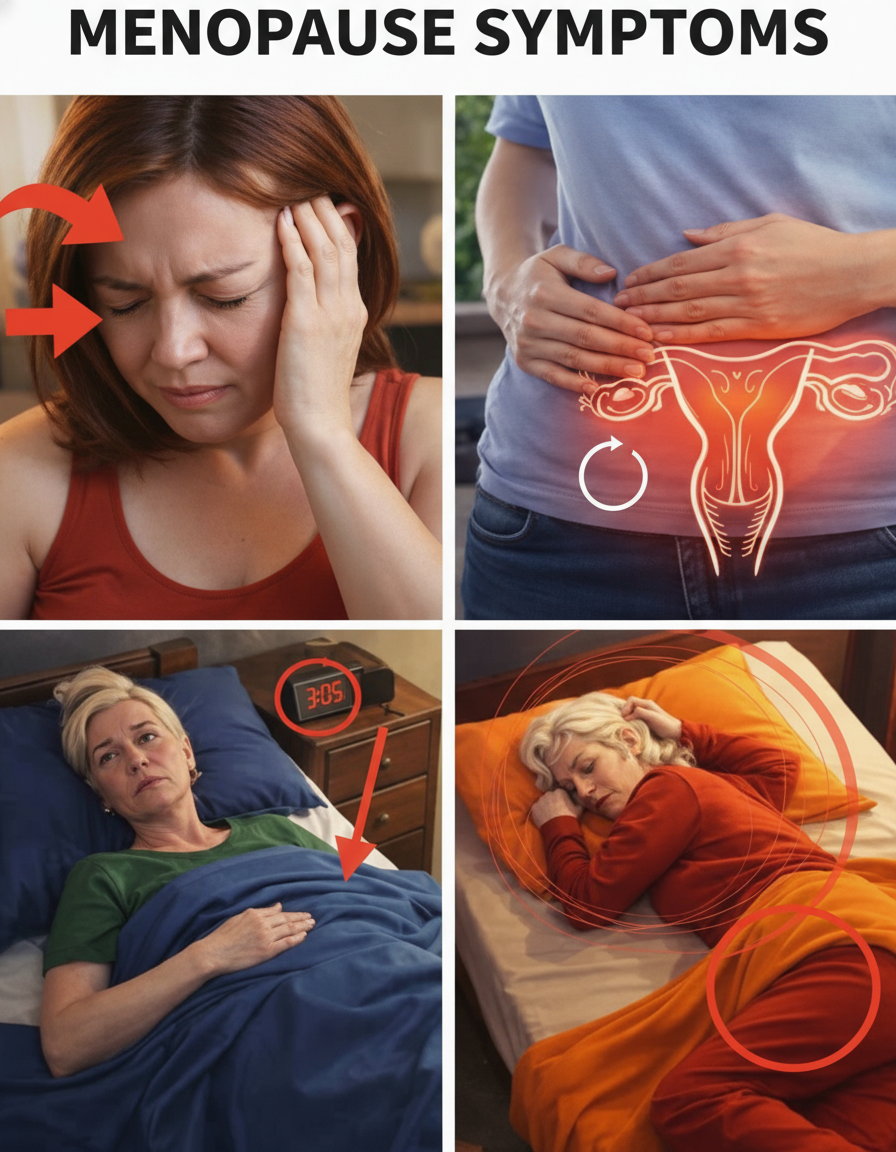
Feeling perpetually exhausted, even after what seems like a full night’s sleep, is a common and frustrating symptom. Disrupted rest due to night sweats or the direct impact of hormonal shifts on energy regulation can profoundly drain vitality. Resources from the Cleveland Clinic emphasize that this pervasive exhaustion affects a significant number of women throughout the menopausal transition. If adequate rest fails to rejuvenate you, it could be connected to these broader systemic changes.
4. Weight Gain, Particularly Around the Midsection
Have you noticed an accumulation of extra weight, especially around your abdomen, despite maintaining similar eating habits and activity levels? The slower metabolism often associated with declining estrogen levels can make weight management more challenging. Insights from the Mayo Clinic confirm that this specific pattern of abdominal fat deposition is a common feature of menopause. The stubborn nature of this weight gain often takes women by surprise.
3. Vaginal Dryness and Discomfort
As estrogen levels decrease, the tissues lining the vagina can become thinner, drier, and less elastic. This can lead to discomfort during sexual activity or even during daily movements. This symptom is widespread among women and can significantly impact intimacy and overall quality of life. Data from the NIH notes that vaginal dryness is a frequently reported concern. Fortunately, simple interventions like vaginal moisturizers or lubricants often provide substantial relief.
2. Sleep Disturbances
Struggling to fall asleep, waking up frequently throughout the night, or feeling unrefreshed upon waking are common sleep problems during this phase. While night sweats are a major contributor, hormonal influences on the body’s natural sleep cycles also play a significant role. References from Stanford Medicine illustrate how widely these sleep disruptions affect women undergoing the menopausal transition.
1. Changes in Libido (Sex Drive)
A noticeable decrease in sexual desire or responsiveness is another common symptom experienced by many women during perimenopause and menopause. The decline in estrogen and testosterone (which also plays a role in female libido) can affect arousal, sensation, and overall interest in sexual activity. This can impact intimate relationships and a woman’s sense of self. While often a sensitive topic, recognizing it as a physiological symptom of hormonal changes can open the door to understanding and potential solutions.
The Unifying Connection: Hormones at Play
While these nine signs may seem disparate – ranging from physical discomfort to emotional shifts and cognitive challenges – they are all fundamentally interconnected. The surprising connection lies in the profound and widespread impact of fluctuating and declining hormone levels, primarily estrogen and progesterone, on virtually every system in the female body. Understanding that a single underlying cause drives this diverse array of symptoms can transform confusion into clarity. Recognizing these indicators empowers you to seek appropriate medical advice, explore treatment options, and embrace this significant life transition with greater confidence and well-being.