 By admin
 Many of us tend to dismiss persistent fatigue, unusual skin changes, or digestive upsets as mere consequences of aging or daily stress. Yet, these seemingly minor shifts could be crucial indicators that your liver, a vital organ, is struggling to perform its essential functions, such as detoxification and metabolic support. Overlooking these early signals can allow potential issues to escalate silently. However, prompt recognition paves the way for crucial discussions with a healthcare professional.
What if those everyday discomforts are actually your liver’s subtle pleas for attention? This article delves into 17 common signs, backed by research, that are frequently associated with hepatic strain. We’ll also explore actionable steps you can take to foster better liver health and overall well-being.
Why Liver Health Often Goes Unnoticed Until Later Stages
The liver stands as an incredibly resilient and multifaceted organ, executing over 500 critical roles each day—from nutrient processing to purifying your bloodstream of detrimental compounds. Disturbingly, conditions like non-alcoholic fatty liver disease (NAFLD), now more precisely termed metabolic dysfunction-associated steatotic liver disease (MASLD), impact a substantial segment of the global adult population. Recent research estimates its worldwide prevalence at approximately 30-38%, with figures in the United States often reaching around 38%. A significant number of these cases go undiagnosed until routine medical screenings uncover unexpected abnormalities.
Early indicators of liver distress are frequently subtle or non-specific, easily misattributed to the natural aging process, inadequate sleep, or dietary indiscretions. For instance, scientific investigations highlight that persistent fatigue is a prevalent complaint among individuals experiencing nascent liver issues, while other symptoms, such as dermatological changes or shifts in digestive patterns, tend to manifest more gradually. The encouraging news, however, is that heightened awareness of lifestyle factors and consistent medical evaluations can profoundly influence outcomes when interventions are applied without delay.
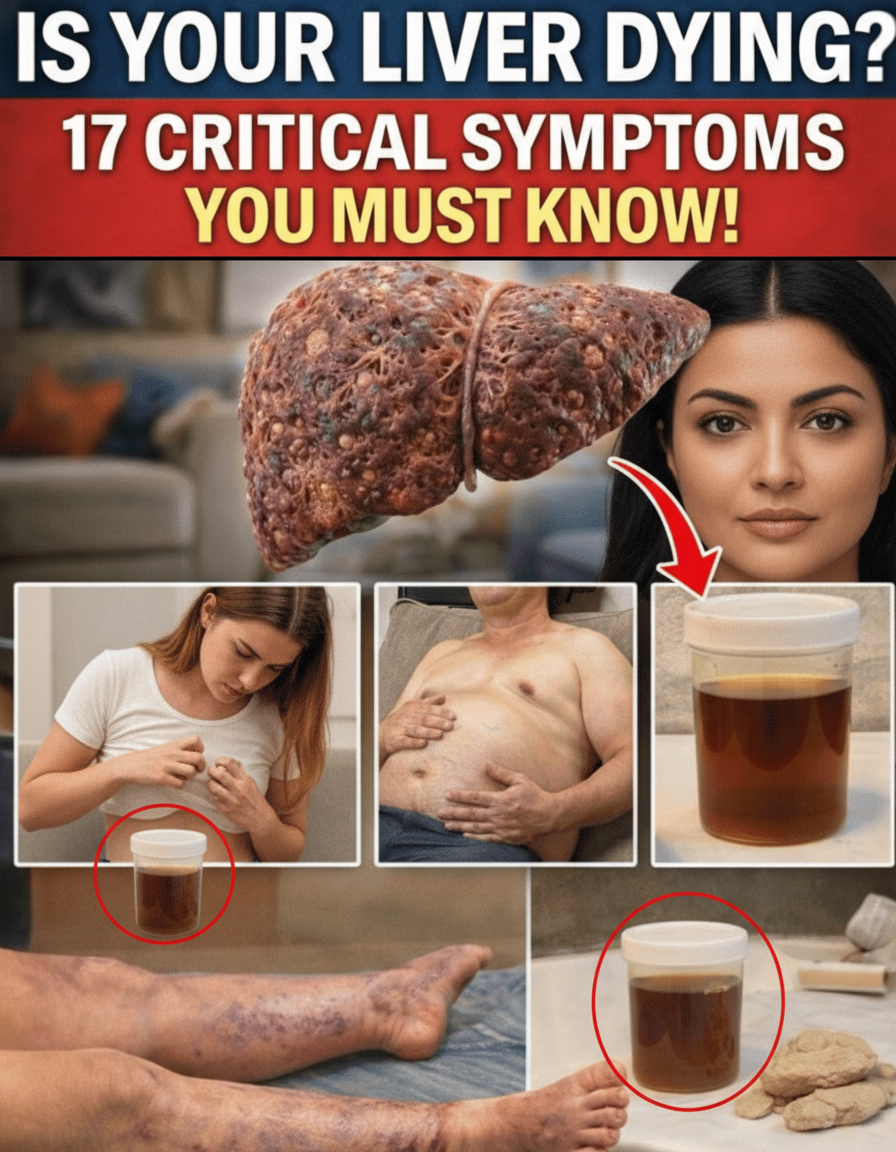
Sign 1: Persistent Fatigue Unresponsive to Rest
Among the earliest and most commonly reported symptoms of liver strain is a profound, unyielding sense of tiredness that persists despite adequate sleep. Individuals frequently describe feeling utterly drained, even after a full night’s rest, with minimal relief offered by stimulants like caffeine or additional downtime. Studies link this chronic exhaustion to the liver’s diminished capacity in regulating energy metabolism and effectively clearing bodily toxins. If you’ve been experiencing this type of unrelenting fatigue consistently, it warrants careful consideration and a discussion with your physician, who may recommend fundamental blood tests to investigate further.
Sign 2: Unexplained Itchy Skin (Pruritus), Often Worsening at Night
Persistent skin itching, medically termed pruritus, particularly when unaccompanied by a visible rash, can severely interfere with sleep and overall daily comfort. This bothersome sensation often arises from an accumulation of bile salts beneath the skin’s surface, a common occurrence when liver function is compromised