 By admin
 Beyond Allergies: When Persistent Itching Signals Deeper Health Concerns
Picture an itch that begins subtly, yet rapidly escalates to dominate your daily life and disrupt your sleep. You try scratching, applying soothing creams, and meticulously avoiding potential triggers – yet the relentless discomfort persists, often intensifying precisely when you seek rest or relaxation. This ongoing itching, frequently dismissed as a mere allergic reaction, can severely disrupt your routine, foster deep frustration, and even negatively impact your mood.
Many individuals endure this for weeks, unaware that it might be a crucial signal from their body. The encouraging news? Gaining insight into the potential underlying causes can empower you to pursue effective relief. That’s precisely what we will explore here, including some surprising connections you might not anticipate.
Understanding Persistent Itching: More Than Just an Annoyance
Itching, clinically termed pruritus, serves as your skin’s primary way of indicating irritation. However, when this sensation lingers for more than a couple of weeks – specifically, beyond 14 days – it transitions from a fleeting nuisance into a chronic condition. Research consistently demonstrates that chronic pruritus significantly diminishes quality of life, frequently leading to sleep disturbances, heightened stress levels, and reduced overall well-being. While a substantial number of cases originate from common skin conditions or environmental allergies, it’s crucial to recognize that many others point to systemic imbalances affecting the entire body.
But that’s not the full picture…
Everyday Irritants vs. Signals of Internal Health Issues
Most people initially attribute an itch to common culprits like seasonal allergies, dry skin, or insect bites. These issues typically resolve with straightforward interventions such as consistent moisturizing or avoiding known irritants. Yet, when itching persists without an obvious rash or a clear external cause, it may indicate systemic concerns – problems originating within the body rather than solely on the skin’s surface. Authoritative sources like the Mayo Clinic and Cleveland Clinic emphasize that chronic, unexplained itching can be intricately linked to various internal medical conditions. Here’s a breakdown of some significant potential contributors:
- Hepatic (Liver) Dysfunction: When the liver struggles to efficiently process and eliminate toxins, certain substances can accumulate in the bloodstream. These circulating compounds can irritate nerve endings in the skin, leading to widespread itching. This sensation often worsens during nighttime hours and, in some instances, may be accompanied by a yellowing of the skin or eyes (jaundice).
- Renal (Kidney) Concerns: In cases of chronic kidney disease, waste products and toxins build up in the body – a condition sometimes referred to as uremic pruritus. This accumulation can trigger intense, pervasive itching that many patients describe as unrelenting and deeply distressing.
- Autoimmune Responses: In autoimmune disorders, such as chronic urticaria (hives), the body’s immune system mistakenly attacks its own healthy tissues. This misguided immune activity can result in persistent itchiness, even in the absence of a clear external trigger or allergen.
- Endocrine Imbalances: Conditions affecting hormonal regulation, such as diabetes (impaired blood sugar control) or thyroid disorders (hyper- or hypothyroidism), can lead to dry, sensitive, and itchy skin. These changes are often due to alterations in circulation, nerve function, or the skin’s natural moisture barrier.
- Psychological and Stress Factors: Prolonged periods of anxiety, stress, or tension can significantly heighten nerve sensitivity throughout the body. This increased reactivity can make the skin feel intensely itchy, even without any visible dermatological changes or underlying physical cause.
- Other Systemic Conditions: In rarer circumstances, chronic itching has been identified as an early symptom of certain hematological disorders (blood conditions) or specific types of cancer, particularly lymphoma. In such cases, the itching might be accompanied by other concerning symptoms like unexplained fatigue, significant weight loss, or night sweats.
The reality is, itching rarely provides a complete diagnostic picture on its own. However, when combined with other subtle or overt signs, it warrants careful and prompt medical attention.
Red Flags: When Persistent Itching Demands Professional Evaluation
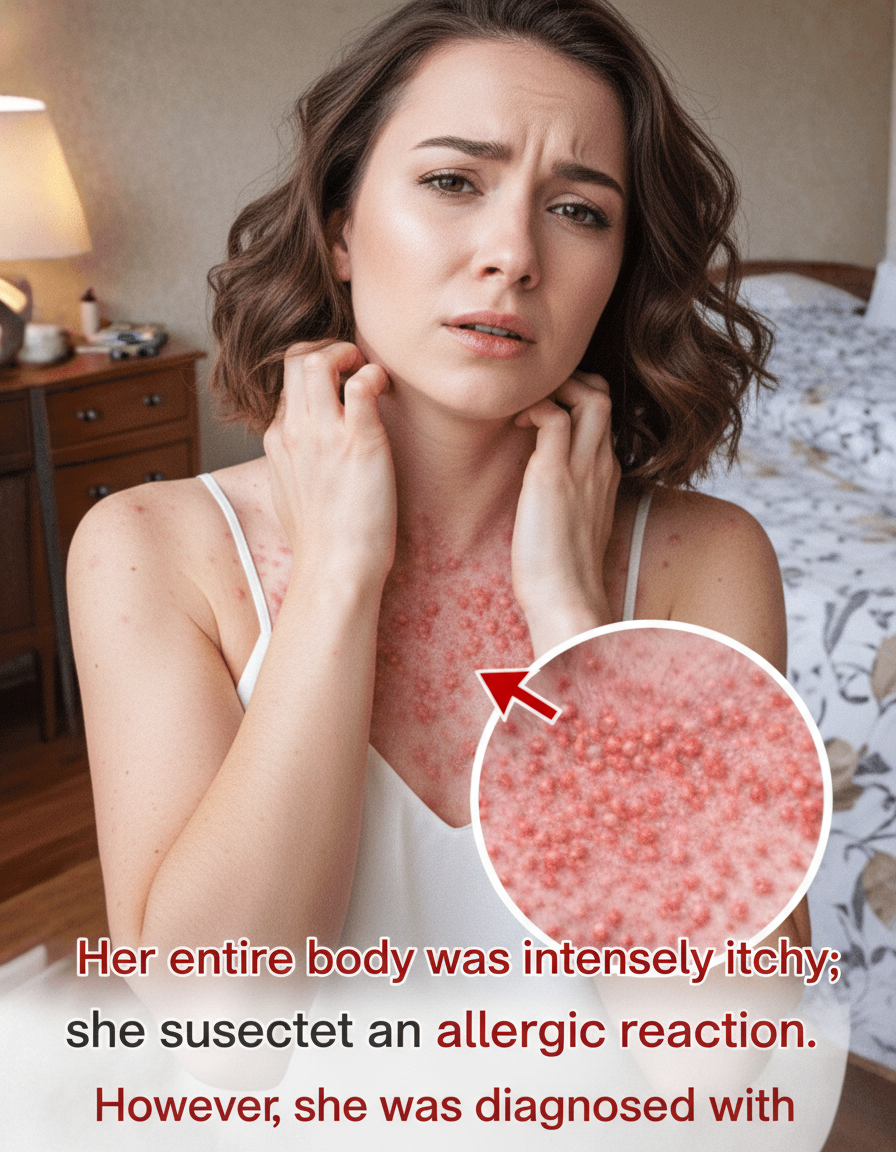
While not every itch requires immediate alarm, certain characteristics and accompanying symptoms serve as important warning signs. According to guidance from leading dermatology experts and organizations like the American Academy of Family Physicians, it is advisable to consult a healthcare provider if your itching:
- Persists for more than two weeks despite consistent home care and over-the-counter remedies.
- Affects large areas of your body or is generalized (widespread).
- Worsens significantly at night, severely disrupting your sleep patterns.
- Is accompanied by unexplained weight loss, extreme fatigue, fever, or drenching night sweats.
- Appears alongside jaundice (yellowing skin/eyes), noticeable swelling, or changes in the color or consistency of your urine or stool.
These indicators do not definitively mean a serious condition is present, but they strongly suggest the need for further investigation by a medical professional rather than self-diagnosis or continued guessing. Here’s a quick comparison to help you differentiate:
Likely Skin-Related (often temporary): Itching accompanied by a visible rash, clearly triggered by a new soap, food, or environmental contact, and typically improves with antihistamines or moisturizers.
Potentially Systemic (needs evaluation): No clear visible rash, widespread or generalized, persistent for more than 2-6 weeks, often worse at night, and accompanied by other symptoms such as persistent tiredness, unexplained weight fluctuations, or other internal signs.
But wait – there’s more to consider before assuming the worst…
Immediate Steps to Manage Discomfort While Awaiting Medical Guidance
While you are seeking professional medical input and awaiting a diagnosis, incorporating these practical habits can help alleviate discomfort and promote overall skin health:
- Maintain Skin Hydration: Regularly apply fragrance-free, hypoallergenic moisturizers multiple times throughout the day, especially immediately after bathing or showering, to lock in moisture.
- Avoid Hot Water: Opt for lukewarm baths or showers, as hot water can strip the skin of its natural oils and exacerbate dryness and itching.
- Wear Loose, Breathable Clothing: Choose soft, natural fabrics like cotton, and avoid tight-fitting garments that can irritate the skin.
- Identify and Avoid Triggers: Pay attention to anything that seems to worsen your itching – certain soaps, detergents, perfumes, or specific foods – and try to eliminate them.
- Apply Cool Compresses: A damp, cool cloth applied to itchy areas can provide temporary relief by numbing nerve endings.
- Keep Nails Trimmed: Short nails can minimize skin damage and reduce the risk of infection if you do scratch.