 By admin
 Nipah Virus Alert: Essential Precautions and Why Bat-Contaminated Fruit Poses a Critical Risk
Picture this: a refreshing bite of fruit on a sunny afternoon. Now, imagine that seemingly innocuous pleasure could harbor a serious, unseen danger. With recent alerts concerning suspected Nipah virus infections emanating from India, health authorities globally, including Vietnam’s Ministry of Health, are issuing urgent advisories. This development underscores the vital importance of everyday food safety practices—habits many of us often overlook. This escalating public health concern serves as a potent reminder of the intricate link between human well-being, our environment, and the wildlife within it, particularly concerning the produce we consume. The encouraging news is that practical, straightforward preventive measures can dramatically mitigate these risks, and we’ll explore these essential steps in detail, focusing on a crucial habit that offers significant protection.
Understanding the Nipah Virus and Current Health Alerts
The Nipah virus (NiV) is classified as a zoonotic pathogen, signifying its capacity to transmit from animals to humans. Its primary natural hosts are fruit bats, specifically flying fox species, which act as a reservoir for the virus without showing symptoms. Discovered in Malaysia in 1999, NiV has since caused scattered outbreaks across various nations, notably Bangladesh and India. While the World Health Organization (WHO) indicates that Nipah infections typically occur in limited clusters rather than widespread epidemics, its severity is undeniable. For individuals developing acute symptoms requiring hospital care, the mortality rate has historically fluctuated between a concerning 40% and 75% in previous outbreaks. Crucially, there is currently no licensed vaccine or targeted antiviral treatment, making public awareness and stringent hygiene practices the cornerstone of preventive strategies.
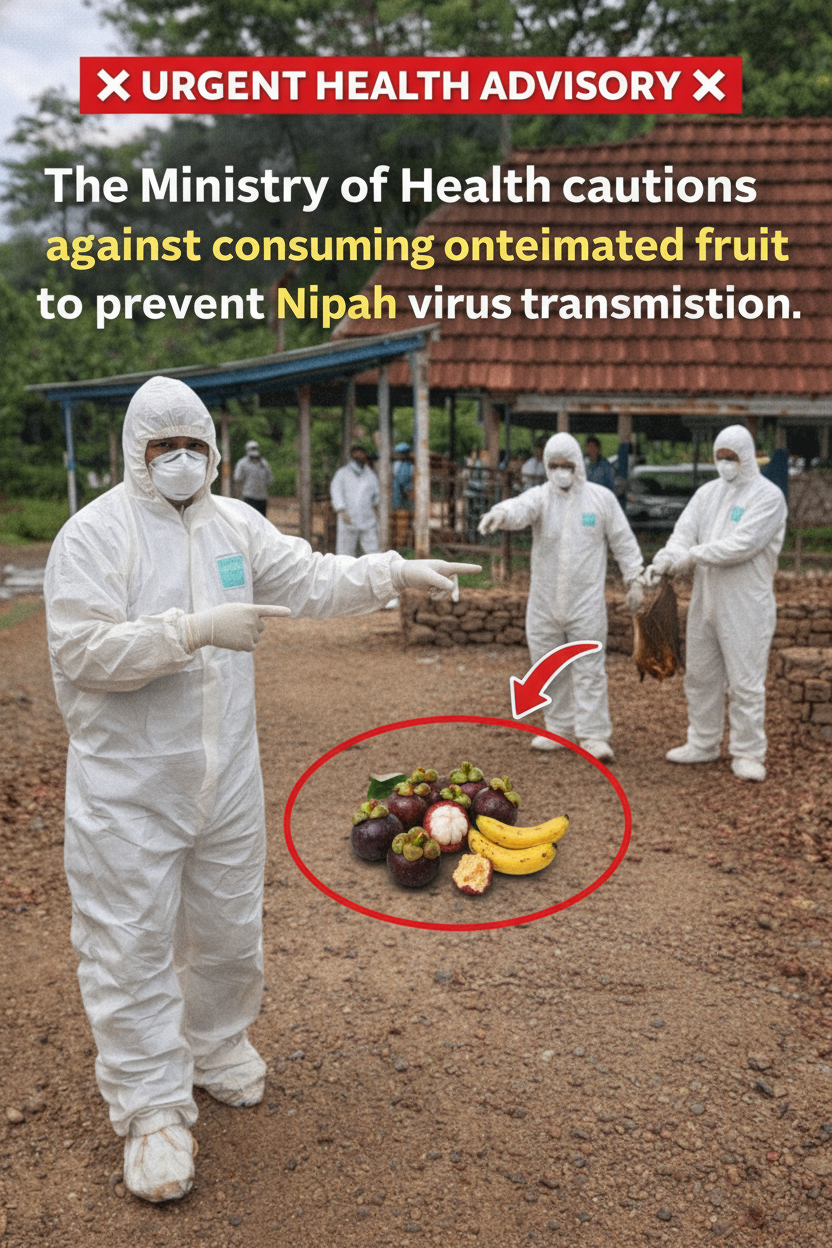
In response to developments in India, where five suspected cases (two confirmed) were identified in West Bengal between late December 2025 and January 26, 2026—including infections among healthcare workers—Vietnam’s Ministry of Health issued a timely alert in late January 2026. It’s important to note that Vietnam has not yet reported any domestic Nipah virus cases. Nevertheless, the Ministry is proactively enhancing its surveillance capabilities at national borders, within healthcare settings, and across local communities to ensure preparedness. A critical element of this advisory, particularly relevant to the general public, is the explicit caution against consuming fruit that exhibits any signs of being bitten, gnawed, or otherwise compromised by bats or birds. This warning stems from the understanding that contaminated food sources, especially raw fruits or tree saps, can become significant transmission routes if infected bats come into contact with them.
Understanding Nipah Virus Transmission: Key Pathways
The Nipah virus primarily disseminates through direct or indirect exposure to infected reservoirs. A clear understanding of these disease transmission pathways is crucial for public health risk mitigation:
- Bat-to-Human Transmission: Fruit bats, while feeding or roosting, can contaminate fruits with their saliva or urine. Consuming raw, unwashed, or partially consumed fruits found in areas frequented by bats represents a significant risk factor in affected regions.
- Contaminated Food and Beverages: Raw date palm sap, often collected in open vessels, is a well-documented transmission route in South Asia, as bats may lick or excrete into these containers. A similar risk extends to other fresh, unprocessed tree saps or raw fruits that may have been exposed.
- Animal-to-Human Spread: In previous outbreaks, livestock such as pigs, or other domestic animals that came into contact with bat-contaminated materials, became infected. Subsequent close contact with these infected animals then facilitated transmission to humans.
- Person-to-Person Transmission: Direct, close contact with the bodily fluids (e.g., respiratory droplets, secretions) of an infected individual can lead to human-to-human spread, particularly prevalent in caregiving environments.
It’s important to note that the incubation period for Nipah virus typically ranges from 4 to 14 days, meaning symptoms may not manifest immediately following exposure.
Recognizing Nipah Virus Symptoms: What to Monitor
Due to the initial similarity of Nipah symptoms to common ailments, heightened awareness is paramount for early detection. The initial phase of infection often presents with:
- Severe headache
- Generalized muscle pain (myalgia)
- Nausea and vomiting
- Sore throat
As the disease progresses, more severe neurological complications can emerge, including:
- Dizziness or profound drowsiness
- Confusion, disorientation, or altered mental status
- Seizures
In its most critical form, Nipah can lead to encephalitis, a dangerous inflammation of the brain. If you have recently visited a region with reported Nipah activity and experience any of these symptoms, it is imperative to seek immediate medical attention. Be sure to inform healthcare providers about your recent travel history to facilitate a rapid and accurate risk assessment. Prompt supportive care can significantly improve patient outcomes. However, beyond treatment, the true strength lies in proactive prevention, and health authorities offer clear, actionable guidance for everyone.
Practical Prevention Steps: Actionable Public Health Recommendations
Vietnam’s Ministry of Health, along with global health organizations, strongly advocates for proactive habits to minimize the risk of Nipah virus transmission. Adhering to these public health recommendations is essential for safeguarding yourself and your family:
Enhanced Food Safety Habits to Adopt Immediately:
- Thoroughly Wash Fruits and Vegetables: Always wash all fruits and vegetables meticulously with clean water before consumption, even if you plan to peel them.
- Avoid Bat-Contaminated Produce: Strictly refrain from eating fruits or other produce that show any signs of being bitten, gnawed, or otherwise damaged by bats or birds.
- Handle Date Palm Sap with Caution: In regions where date palm sap is consumed, ensure it has been collected and processed hygienically, preferably from covered containers, to prevent bat contamination. Consider boiling it before consumption.
General Hygiene and Animal Contact Precautions:
- Practice Regular Hand Hygiene: Wash your hands frequently and thoroughly with soap and water, especially after being outdoors, handling animals, or before preparing food.
- Avoid Contact with Sick Animals: Minimize unprotected contact with sick animals, particularly pigs and bats, in affected areas. If contact is unavoidable, use protective gear.
- Prevent Exposure to Bodily Fluids: When caring for individuals who are sick, especially those with suspected Nipah symptoms, practice strict infection control measures, including wearing gloves and masks, to prevent exposure to bodily fluids.
- Cook Meat Thoroughly: Ensure all meat products are cooked thoroughly, especially in areas with potential animal-to-human transmission risks.
By integrating these simple yet crucial preventive measures into your daily routine, you can significantly reduce your exposure risk to the Nipah virus and contribute to broader public health safety.