 By admin
 A sudden weakness in your arm or a persistent, unusual headache might seem like minor inconveniences, easily attributed to a demanding day or simple tiredness. However, these seemingly insignificant moments could be your body’s critical, early warning signals of a much graver health event: a stroke. While strokes are often perceived as sudden attacks, emerging research indicates that many individuals experience subtle, precursory symptoms days, or even weeks, before a major incident. Identifying these crucial early signs can be life-saving, enabling prompt medical intervention and potentially averting a severe stroke.
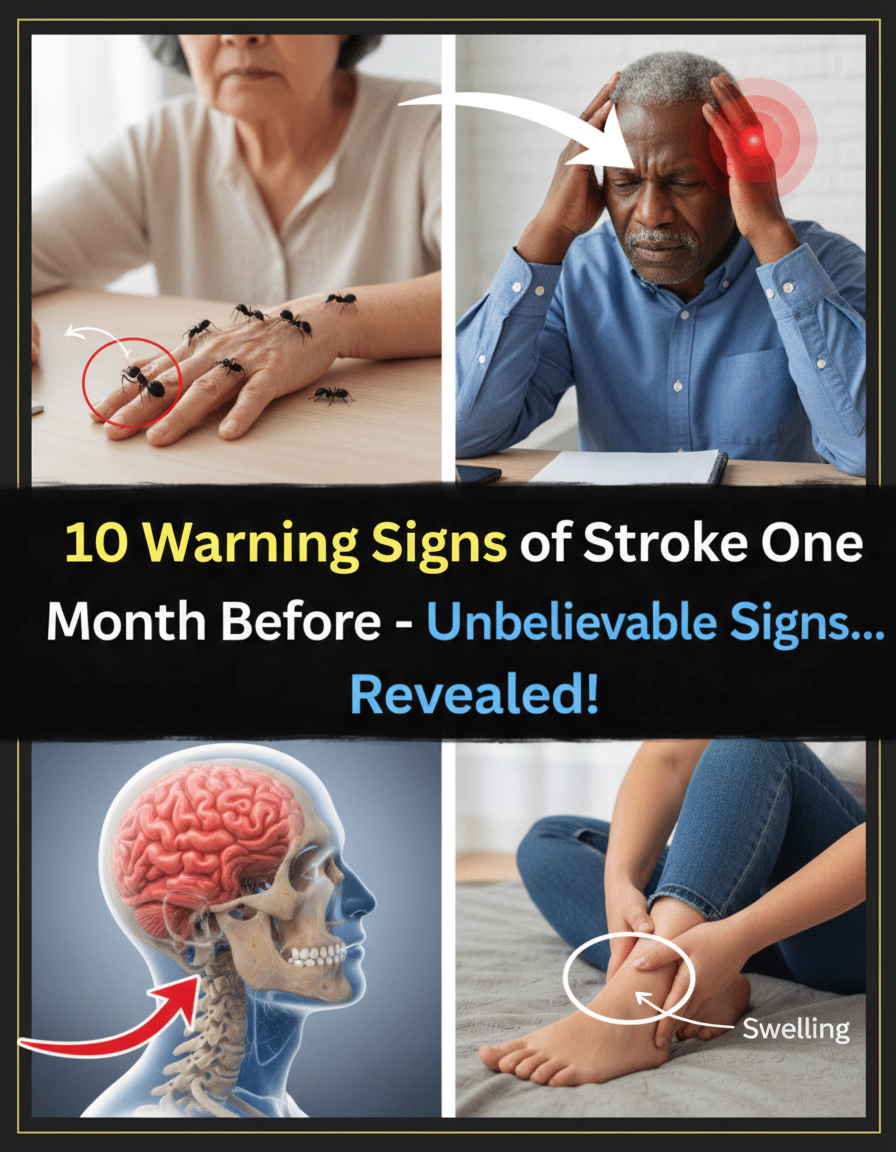
What makes these early stroke warning signs particularly challenging to spot is their fleeting nature—they frequently appear and then quickly subside, making them incredibly easy to dismiss. This article will guide you through 10 vital, yet subtle, warning signs of a stroke that may manifest up to a month in advance, empowering you with the knowledge to recognize them and act swiftly.
Why Early Stroke Symptom Recognition Is Crucial
A stroke occurs when the blood supply to a part of your brain is interrupted, either by a blockage (ischemic stroke) or the rupture of a blood vessel (hemorrhagic stroke). This interruption deprives brain cells of oxygen and nutrients, leading to their rapid death. The adage “time is brain” underscores the urgency: every minute counts in preserving brain function.
Organizations like the American Stroke Association emphasize the significance of Transient Ischemic Attacks (TIAs), often referred to as “mini-strokes.” These episodes present symptoms identical to a full stroke but are temporary, resolving within minutes or hours without causing permanent damage. Crucially, a TIA is a powerful predictor, signaling a significantly elevated risk of a major stroke occurring in the near future—often within days or weeks. Recognizing these early, subtle stroke signs and seeking immediate medical attention can lead to timely diagnosis, necessary lifestyle modifications, and potentially life-saving preventative treatments, drastically reducing the likelihood of a devastating stroke.
10 Subtle Stroke Warning Signs You Should Never Overlook
While often fleeting and mild, the following ten indicators are among the most frequently reported early warning signs that could precede a stroke by several weeks. Paying close attention to these subtle cues is paramount.
1. Sudden Numbness or Weakness (Unilateral)
Experiencing an unexpected sensation of tingling, numbness, or profound weakness in your face, arm, or leg, typically affecting only one side of your body, can be a critical sign. These sensations often manifest abruptly and may subside within a few minutes, making them easy to disregard.
2. Unexplained Dizziness or Balance Issues
An abrupt onset of dizziness, a sensation of spinning (vertigo), pronounced unsteadiness while walking, or feeling as though your surroundings are swaying or tilting, without any obvious cause, warrants immediate attention. These balance disturbances can be a subtle indicator of compromised brain function.
3. Severe or Atypical Headache
A headache that dramatically deviates from your usual patterns—one that is extraordinarily intense, comes on suddenly like a “thunderclap,” or persists unusually long—serves as a significant red flag. This is particularly true if it feels unlike any headache you’ve ever encountered.
4. Disturbances in Vision
Any sudden alteration in your sight, such as blurred vision, a temporary loss of vision in one or both eyes, or experiencing double vision (diplopia), should not be ignored. Even if these visual disturbances are brief, they can signal underlying neurological issues related to stroke risk.
5. Challenges with Speech or Comprehension
Noticeable changes in your ability to communicate, such as slurred or garbled speech, struggling to recall appropriate words, or finding it difficult to understand what others are saying, are serious warning signs. These linguistic difficulties can manifest and resolve rapidly, making them easy to dismiss.
6. Sudden Confusion or Memory Lapses
An unexpected onset of forgetfulness, pronounced difficulty concentrating, or a pervasive feeling of mental fogginess and disorientation can indicate impaired blood flow to the brain, a precursor to stroke. These cognitive changes should not be taken lightly.
7. Profound, Unexplained Fatigue
An overwhelming and persistent sense of exhaustion that far exceeds normal tiredness and does not alleviate with rest could be a subtle stroke warning. This deep fatigue signals that your body, particularly your brain, may be struggling.
8. Abrupt Mood or Personality Shifts
Uncharacteristic and sudden changes in mood, such as heightened irritability, unexplained depressive feelings, or noticeable alterations in behavior that are out of sync with your typical personality, can sometimes be linked to neurological disturbances preceding a stroke.
9. Persistent Hiccups (More Common in Women)
While often benign, prolonged and persistent hiccups, particularly when accompanied by chest discomfort or shortness of breath, have been identified as a less common, yet significant, stroke warning sign, especially observed more frequently in women. This symptom warrants careful consideration if unusual.
10. Facial Drooping or Asymmetry
A noticeable drooping on one side of the face, or a feeling of unevenness, particularly evident when attempting to smile, is a classic stroke symptom. These facial changes, like many other early signs, can be very brief, lasting only minutes before disappearing. This transient nature is precisely why individuals often dismiss them as minor.
However, it is crucial to understand that even these fleeting episodes can signify a Transient Ischemic Attack (TIA). Compelling research suggests that as many as one-third of individuals who experience a TIA may go on to suffer a full, debilitating stroke within just one month. Therefore, no symptom, no matter how brief, should be ignored.
The Critical FAST Test: Rapid Stroke Recognition
When any of these potential stroke or TIA symptoms appear, acting quickly is paramount. The simple yet effective FAST acronym provides a straightforward method to identify a possible stroke and guide immediate action:
- F – Face Drooping: Ask the person to smile. Does one side of their face droop or feel numb? Is their smile uneven?
- A – Arm Weakness: Ask the person to raise both arms. Does one arm drift downward or feel weaker than the other?
- S – Speech Difficulty: Ask the person to repeat a simple phrase. Is their speech slurred, strange, or difficult to understand?
- T – Time to Call Emergency: If you observe ANY of these signs, even if they disappear, call emergency services immediately. Note the time the symptoms first appeared, as this information is vital for medical professionals.
The FAST test is a universally recognized tool, effective for identifying both major strokes and the precursor “mini-stroke” events, emphasizing the need for swift medical intervention.
Immediate Action: What to Do If You Spot These Signs
If you or someone around you exhibits any of these stroke warning signs—even if they are transient and quickly resolve—do not hesitate. Call emergency medical services immediately. Every second counts in minimizing potential brain damage and improving recovery outcomes.
Upon arrival, medical professionals can conduct a series of diagnostic tests, including advanced imaging scans (like CT or MRI) of the brain, electrocardiograms (ECGs) to monitor heart rhythms, and blood tests. These evaluations help pinpoint the underlying cause, such as uncontrolled high blood pressure, atrial fibrillation, or narrowed arteries (atherosclerosis), allowing for targeted treatment.
While awaiting professional medical assessment, here are crucial steps to support overall brain and cardiovascular health, reducing your long-term stroke risk:
- Regular Blood Pressure Monitoring: High blood pressure is the leading preventable risk factor for stroke. Consistent monitoring and management are vital.
- Embrace a Heart-Healthy Lifestyle: Adopt a balanced diet rich in fruits, vegetables, and whole grains, while limiting saturated fats, sodium, and processed foods.
- Engage in Regular Physical Activity: Aim for at least 30 minutes of moderate-intensity exercise most days of the week to improve circulation and cardiovascular fitness.
- Manage Diabetes and Cholesterol: Work with your doctor to keep blood sugar levels and cholesterol within healthy ranges.
- Quit Smoking: Smoking significantly increases stroke risk; cessation is one of the most impactful preventive measures.
- Limit Alcohol Consumption: Excessive alcohol intake can elevate blood pressure and increase stroke risk.
- Address Stress and Mental Health: Chronic stress can contribute to high blood pressure and other risk factors. Seek healthy coping mechanisms and professional support if needed.
Being aware of these subtle early warning signs and understanding the importance of rapid response can truly be the difference between a full recovery and severe, lasting disability. Stay informed, stay vigilant, and prioritize your health.