 By admin
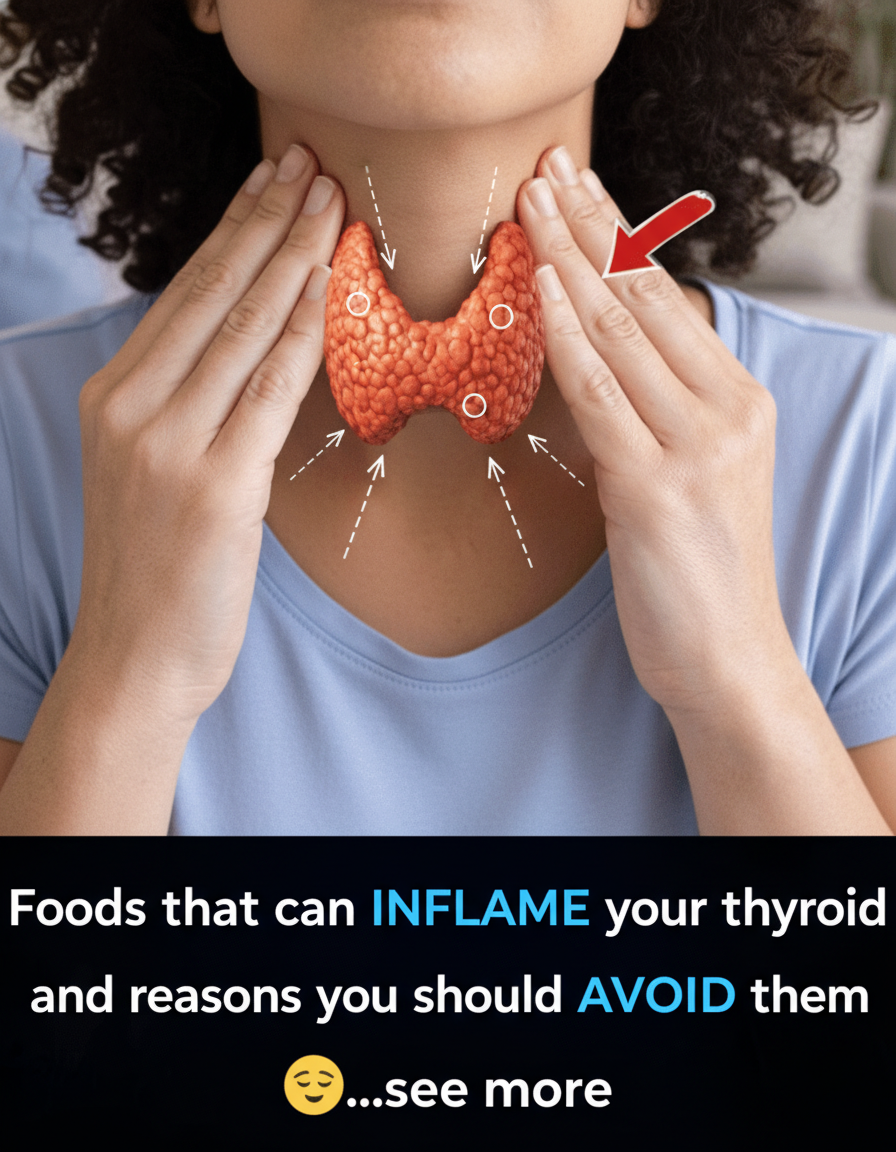
 Navigating life with conditions like hypothyroidism or Hashimoto’s thyroiditis often presents unique challenges. Despite medication, many individuals continue to grapple with persistent symptoms such as chronic fatigue, unexplained weight fluctuations, cognitive fog, and mood instability. This often leads to a crucial question: could certain everyday foods be exacerbating these issues or impacting daily thyroid function? Emerging research indicates that specific dietary choices might indeed influence iodine utilization, fuel systemic inflammation, or interfere with hormone synthesis in sensitive individuals.
The good news is that strategic adjustments to your diet can be a powerful tool, complementing medical treatment to enhance your overall well-being and foster more efficient thyroid support. This comprehensive guide delves into specific foods that are often recommended for moderation or limitation, drawing on scientific understanding. We’ll provide actionable advice you can implement immediately. Plus, don’t miss our insightful tip at the end about how simple cooking modifications can make a significant difference.
Why Certain Foods May Impact Thyroid Health
Your thyroid gland, a critical component of your endocrine system, relies on a delicate balance of essential nutrients, primarily iodine, to produce hormones that govern metabolism, energy production, and various other bodily processes. When this intricate balance is disrupted—whether by natural compounds like goitrogens, substances that trigger inflammation, or an excess of particular elements—it can contribute to the ongoing and often debilitating symptoms seen in conditions such as hypothyroidism and autoimmune Hashimoto’s thyroiditis.
Scientific studies highlight that goitrogens, found in specific plant foods, can temporarily impede the thyroid’s iodine uptake, particularly when consumed in high amounts and in their uncooked form. Similarly, a diet rich in inflammation-promoting foods can impose additional stress on an already compromised immune system. The encouraging news is that these effects are often contingent on the amount consumed and can frequently be minimized with simple dietary modifications. Yet, this is only part of the story; let’s delve into the precise foods that many experts advise approaching with caution.
Cruciferous Vegetables: Raw vs. Cooked Matters
Vegetables from the cruciferous family, including popular choices like broccoli, cauliflower, cabbage, kale, and Brussels sprouts, are nutritional powerhouses. They are abundant in vitamins, dietary fiber, and antioxidants, all vital for maintaining overall health. However, these vegetables naturally contain compounds called goitrogens. When consumed in significant raw quantities, goitrogens have the potential to interfere with the thyroid’s absorption of iodine.
Crucially, research demonstrates that the goitrogenic effect is significantly reduced once these vegetables are cooked, as heat effectively deactivates much of their goitrogenic activity. Therefore, for individuals managing thyroid conditions, opting for steamed, sautéed, or boiled preparations of these vegetables represents a more judicious choice. The rationale for limiting raw consumption, especially in high volumes, stems from the increased potential risk, particularly if one’s iodine intake is already suboptimal. A practical adjustment: consider lightly steaming your broccoli or kale before incorporating them into salads or blending them into smoothies. This straightforward alteration allows you to continue enjoying these highly nutritious foods without undue concern for your thyroid health.
Soy Products: A Closer Look at Potential Interference
A variety of soy-based foods, such as tofu, soy milk, edamame, and soy sauce, contain natural compounds known as isoflavones. These isoflavones have been observed to potentially influence thyroid enzyme activity in certain individuals. The scientific consensus suggests that this interaction becomes more pertinent in contexts of insufficient iodine intake or for those already undergoing management for hypothyroidism. For individuals with adequate iodine levels and normal thyroid function, the impact is generally found to be minimal across most studies.
Nonetheless, for those with existing thyroid conditions, a balanced approach and moderation in soy consumption are frequently advised. Furthermore, the timing of soy intake is an important consideration: consuming soy products too closely to when thyroid medication is taken might interfere with the absorption efficacy of the medication, underscoring the need for careful scheduling.
Gluten-Containing Foods: The Autoimmune Connection
Grains such as wheat, barley, and rye are primary sources of gluten, a protein capable of provoking gut inflammation or adverse immune reactions in susceptible individuals. There is a growing body of research investigating the potential connections between gluten consumption and autoimmune thyroid disorders, particularly Hashimoto’s thyroiditis. Hypotheses include mechanisms like molecular mimicry (cross-reactivity) or increased intestinal permeability (often referred to as ‘leaky gut’), which could contribute to autoimmune responses against the thyroid.
It’s important to note that a gluten-free diet may not be beneficial for everyone. However, specific studies have observed positive outcomes, such as reductions in thyroid antibody levels or an alleviation of symptoms, in certain subsets of individuals with thyroid conditions who eliminate gluten. If you suspect a sensitivity to gluten, it is highly recommended to consult a healthcare professional for proper evaluation, including potential screening for celiac disease, before making significant dietary alterations.
Refined Sugars, Processed Foods, and Fried Items
Diets high in ultra-processed foods, sweetened beverages, sugary treats, and deep-fried options frequently contribute to rapid blood sugar fluctuations, undesirable weight gain, and pervasive systemic inflammation. For individuals managing thyroid conditions, chronic inflammation is particularly problematic as it can intensify symptoms such as debilitating fatigue and other discomforts. Furthermore, these types of foods are often laden with excessive sodium and artificial preservatives, which can place an additional burden on the body’s systems over time.
A healthier alternative involves consciously replacing these items with nutrient-dense, whole-food choices. This shift not only aids in stabilizing energy levels throughout the day but also profoundly supports overall health and well-being, offering a significant advantage for thyroid management.
Excess Iodine Sources: When More Isn’t Better
While iodine is an indispensable trace element for the synthesis of thyroid hormones, it is crucial to understand that “more is not always better.” An excessive intake of iodine can paradoxically be detrimental to thyroid function, potentially exacerbating existing conditions or even inducing new thyroid issues in susceptible individuals. Sources of iodine overload often include high-dose iodine supplements, certain types of seaweed (like kelp, which can have highly variable and concentrated iodine levels), and even over-reliance on iodized salt or iodine-fortified foods.
For those with thyroid concerns, particularly autoimmune conditions like Hashimoto’s, high iodine intake can sometimes trigger or worsen autoimmune attacks. It’s vital to maintain a balanced approach; ensure adequate, but not excessive, iodine intake, ideally through a varied diet rather than high-dose supplements unless specifically advised and monitored by a healthcare professional. Always consult your doctor before introducing any iodine supplements into your regimen.
By thoughtfully considering and potentially limiting the foods discussed above, individuals managing hypothyroidism or Hashimoto’s thyroiditis can take proactive steps to support their thyroid health and alleviate persistent symptoms. Remember the practical insight: simple adjustments, like cooking cruciferous vegetables, can significantly alter their impact. While diet is a powerful tool, it’s essential to view these dietary strategies as complementary to your prescribed medical treatment. Always collaborate with your healthcare provider or a registered dietitian to tailor a personalized dietary plan that best suits your unique needs and health goals, ensuring a holistic approach to your thyroid well-being.