 By admin
 A radiant, self-assured smile is a powerful asset, significantly impacting how you perceive yourself and how others perceive you. Yet, for many, the presence of yellow or stained teeth can diminish this confidence, preventing them from truly showcasing their best. Common daily routines, such as indulging in coffee or tea, or even the natural aging process, contribute to noticeable tooth discoloration. This can understandably lead to self-consciousness during social interactions, particularly when smiling or laughing. Fortunately, there are gentle and readily available methods to help restore and maintain a brighter dental appearance – some of which might be entirely new to you. Keep reading, as we’ll reveal a frequently overlooked but surprisingly effective combination for daily maintenance towards the end of this guide.
Understanding Tooth Discoloration: Why Do Teeth Turn Yellow?
To effectively address yellowing or staining, it’s crucial to first comprehend the underlying reasons behind your teeth losing their natural brightness. Tooth discoloration typically originates from several distinct categories, and identifying the specific type can significantly inform your approach to achieving a whiter smile.
1. Extrinsic Stains: Surface-Level Discoloration
The majority of visible tooth yellowing begins on the outermost layer of your teeth, known as the enamel. This type of discoloration, often referred to as extrinsic stains, results from external factors. Common culprits include highly pigmented foods and beverages such as coffee, tea, red wine, dark sodas, and various berries, all of which can leave noticeable marks over time. Tobacco products, whether smoked or chewed, are also significant contributors due to their tar and nicotine content. Furthermore, inadequate daily oral hygiene, leading to the accumulation of plaque and tartar, can trap these surface stains, making them more pronounced. Scientific studies indicate that these extrinsic stains typically respond well to careful application of mild abrasive or polishing techniques.
2. Intrinsic Stains: Deeper Structural Discoloration
In contrast to surface stains, intrinsic discoloration originates from within the tooth’s internal structure. This type of deeper staining can be a consequence of various factors. For instance, certain medications, such as tetracycline antibiotics administered during early childhood or pregnancy, are known to cause permanent internal staining. Other contributing elements include dental trauma, excessive exposure to fluoride during tooth development (fluorosis), or inherited conditions like enamel hypoplasia. Such deep-seated issues are considerably more challenging to resolve using only external, surface-focused whitening methods.
3. Age-Related Discoloration
The natural aging process also plays a significant role in how our teeth appear. Over time, the protective outer layer of enamel naturally thins, gradually exposing the yellowish dentin that lies beneath. Research consistently shows that this progressive change is a normal aspect of aging, frequently leading to teeth appearing duller or more yellow, even when diligent oral hygiene practices are maintained. While halting the aging process is impossible, consistent and careful dental care can certainly mitigate these visible effects. However, achieving truly noticeable freshness often involves more than just basic care; many individuals find success by integrating simple daily adjustments with occasional, gentle at-home whitening aids. Let’s delve into some practical ideas you can try next.
Gentle At-Home Strategies for a Brighter Smile
If your primary concern is addressing surface stains resulting from dietary habits or plaque buildup, the following accessible, everyday methods can contribute to a noticeably brighter smile. It is paramount to always prioritize gentle application to safeguard your tooth enamel. Excessive or aggressive use of any abrasive or acidic technique can potentially lead to increased tooth sensitivity or enamel erosion. Below, we’ll explore some popular and practical at-home approaches, complete with actionable steps.
1. Baking Soda with Your Toothpaste: A Gentle Polish
Baking soda (sodium bicarbonate) is well-regarded for its mild abrasive qualities, which can effectively help to gently polish away superficial surface stains without the need for harsh scrubbing. Many users report that this method leaves their teeth feeling exceptionally smooth and appearing noticeably fresher. Here’s how to incorporate it:
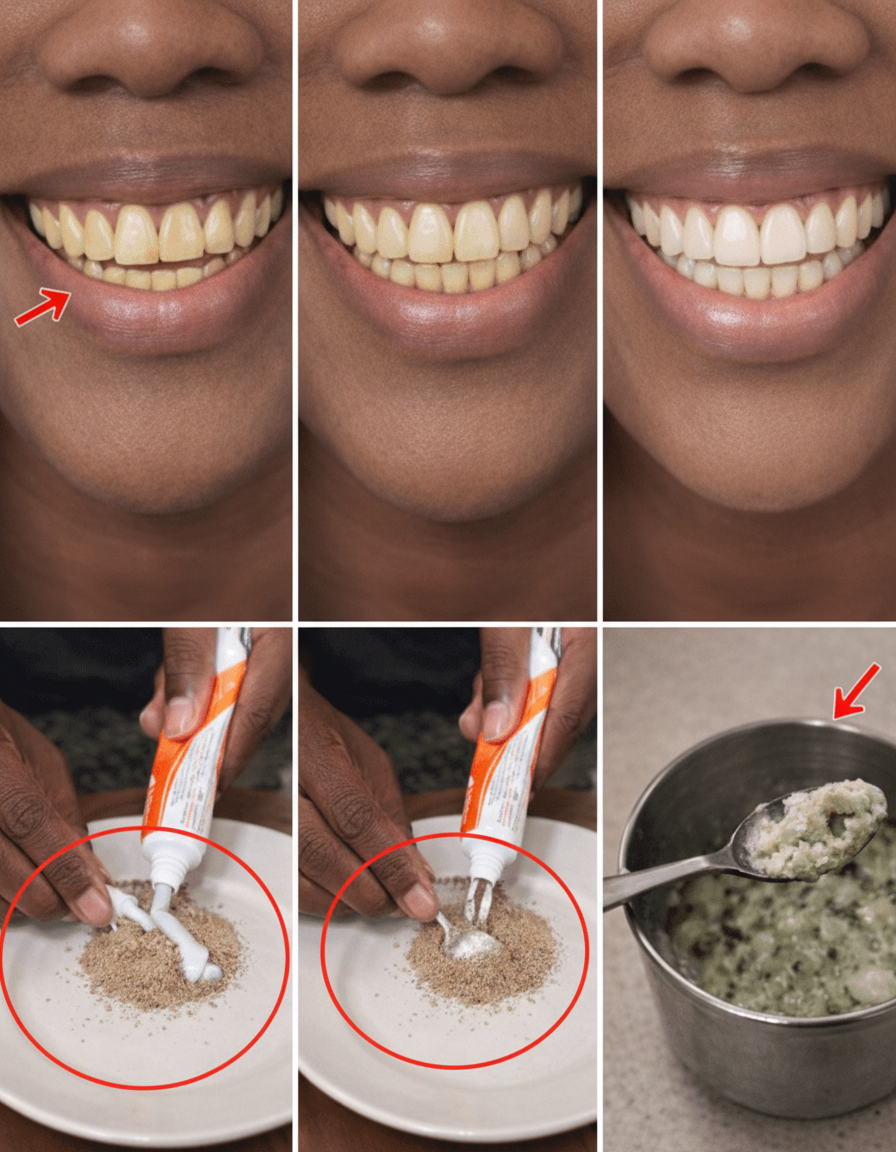
- Dampen your toothbrush and lightly dip it into a small quantity of baking soda.
- Apply your regular toothpaste directly on top of the baking soda.
- Brush your teeth gently using circular motions for approximately two minutes.
- Rinse your mouth thoroughly with water afterward.
Frequency: Limit this treatment to a maximum of 2–3 times per week. Dental research highlights that mild abrasives, when used judiciously, are beneficial for stain removal, but overuse can compromise enamel integrity.
2. Diluted Hydrogen Peroxide Rinse: Breaking Down Stains
Hydrogen peroxide, particularly in low concentrations (such as 3%), is a widely recognized active ingredient found in numerous professionally approved teeth whitening formulations. Its efficacy stems from its ability to help break down the compounds responsible for tooth stains. To use this at home:
- Combine equal parts 3% hydrogen peroxide with water (for example, 1 to 2 tablespoons of each).
- Gently swish the diluted solution in your mouth for 30 to 60 seconds.
- Crucially, spit out the solution completely—never swallow it—and follow up with a thorough rinse of plain water.
Frequency: Employ this rinse no more than once or twice weekly. The American Dental Association (ADA) generally considers low-concentration peroxide safe when used as directed in approved products. However, if you experience any tooth or gum sensitivity, it is advisable to consult your dentist.
3. Baking Soda & Fresh Lemon Juice Paste: A Cautionary Brightener
This method combines the mild abrasive power of baking soda with the natural acidity of lemon juice, creating a fizzy paste that some individuals use for an occasional boost in brightness. However, due to its high acidity, extreme caution and infrequent use are strongly advised. Here’s how to prepare and apply it, with a strong emphasis on safety:
- Mix 1 teaspoon of baking soda with just a few drops of fresh lemon juice until a paste forms.
- Apply this paste to your teeth using a soft toothbrush or your finger.
- Brush very lightly for a maximum duration of 1 minute.
- Rinse your mouth thoroughly and immediately with water.
Frequency & Warning: Use this mixture very sparingly—no more than once a week at most. Dental research consistently warns that the high acidity of lemon juice poses a significant risk of enamel erosion if used frequently or for extended periods. Prioritizing enamel health is crucial.
4. Diluted Lemon Juice Rinse: An Occasional Cleanser
Fresh lemon juice contains citric acid, a natural acid that some individuals utilize in a diluted form to help gently loosen surface debris and minor stains from their teeth. This should be considered an occasional rinse, not a daily practice, due to its acidic nature. To use it safely:
- Squeeze fresh lemon juice and dilute it with an equal amount of warm water.
- After brushing your teeth, swish this diluted solution around your mouth for approximately 30 seconds.
- Rinse your mouth thoroughly with plain water immediately afterward.
Frequency: This method is strictly recommended for occasional use only, never on a daily basis, to prevent potential damage to tooth enamel.
While these home remedies can offer a gentle approach to combating surface stains and enhancing your smile’s brightness, it is crucial to exercise caution and moderation. Always listen to your body; if you experience any sensitivity, discomfort, or notice changes in your enamel, discontinue use immediately and consult with a dental professional. Regular dental check-ups and cleanings remain the cornerstone of optimal oral health and a truly radiant smile.