 By admin
 For many, the sweet, bubbly allure of a **fizzy drink** is a daily ritual – a refreshing accompaniment to meals or a comforting presence during leisure. While often perceived as an innocuous treat, consistent and substantial **soda consumption** has become a deeply ingrained habit for countless individuals. Though the immediate effects might seem negligible, a growing body of research indicates that regular intake of these **carbonated beverages** could subtly influence various facets of your health, notably impacting **bone strength** in ways that might surprise you.
This exploration aims to uncover the scientific insights linking your beloved **soda** to potential health implications, empowering you to make balanced, informed choices about your dietary habits without resorting to drastic measures.
The Connection Between Carbonated Drinks and Bone Health
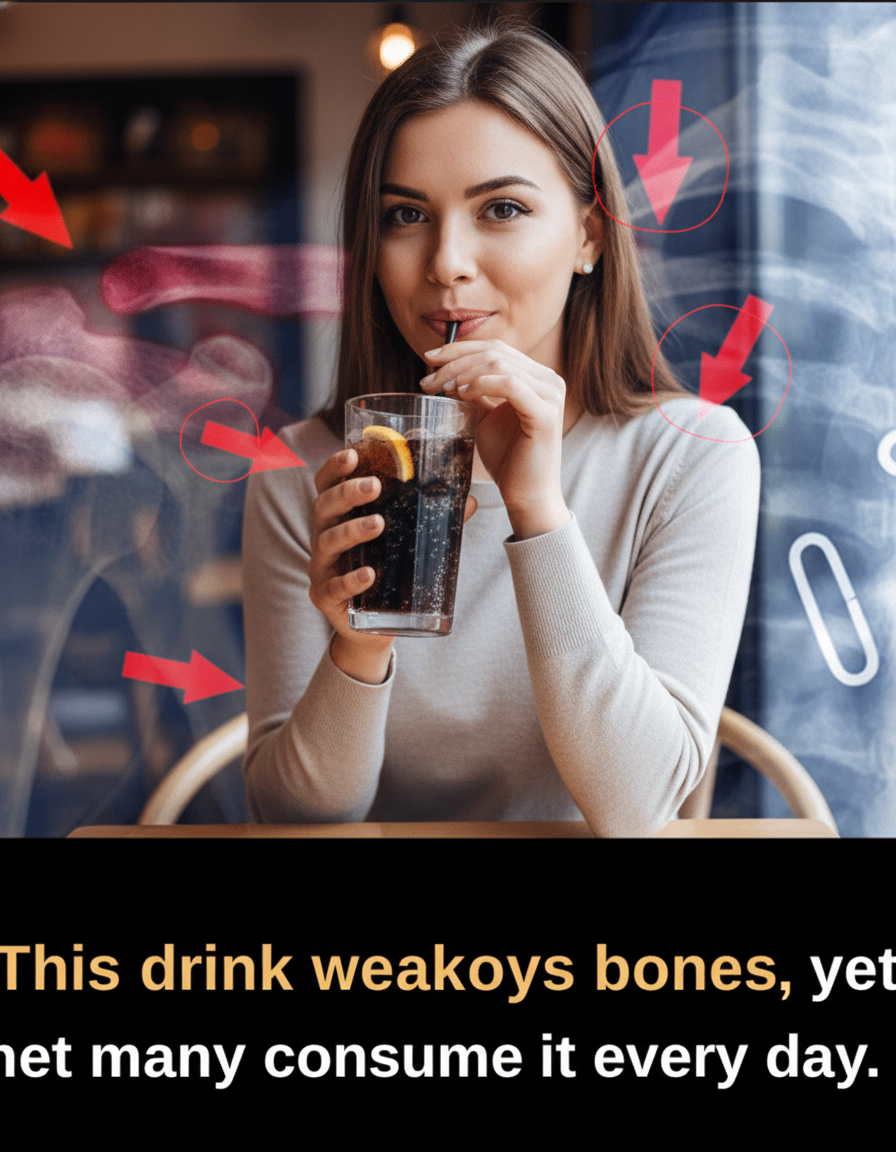
Among the most frequently debated health concerns regarding **soda** is its potential influence on skeletal integrity. **Phosphoric acid**, a prevalent ingredient in many **cola-type beverages**, has garnered considerable scientific scrutiny, particularly in investigations focusing on **bone mineral density (BMD)**. Studies, including notable findings from the Framingham Osteoporosis Study conducted in collaboration with Tufts University, have revealed an intriguing correlation: women who frequently consumed cola displayed a tendency towards reduced **BMD** in their hip regions compared to those with less frequent intake. This particular association appeared more pronounced with **cola beverages** than with other non-cola **carbonated drinks**.
The underlying hypothesis suggests that elevated consumption of **phosphoric acid** might interfere with the body’s **calcium balance**, especially when adequate calcium intake from other dietary sources is lacking. It’s crucial to clarify that this research does not imply **soda** directly “erodes” bones or is the sole cause of conditions like **osteoporosis**. Instead, a multitude of factors – including an individual’s overall diet, sufficient **calcium intake**, regular physical activity, and age – collectively dictate **bone health**. Nevertheless, for those whose daily routine includes substantial cola consumption, this habit could incrementally contribute to long-term changes in **bone density**, a factor particularly relevant for women as they age and experience natural shifts in their bone structure.
Diet Soda: A Calorie-Free Alternative with Unanswered Questions
In an effort to make seemingly healthier choices, many consumers opt for **diet** or **zero-sugar versions** of their favorite **fizzy drinks**, believing they bypass the caloric and glycemic pitfalls of traditional sodas. While the absence of sugar and calories appears beneficial for **weight management**, a growing body of research on **artificial sweeteners** (such as aspartame or sucralose) suggests their physiological impact might be more complex than initially assumed.
Some investigations propose that these **sweeteners** could potentially disrupt normal appetite regulation, possibly contributing to heightened cravings for sweet items or a diminished sense of satiety post-meal. Furthermore, certain observational studies have indicated that consistent **diet soda** consumption may be linked to higher body weight or increased abdominal fat accumulation over time, although these findings are not universally consistent, and direct causation remains an area of ongoing study.
Essentially, while **diet soda** eliminates sugar-derived calories, it might not provide the same benefits for **appetite control** or metabolic harmony that pure water or truly unsweetened beverages offer for all individuals. Consider this brief comparison:
- Regular Sugary Soda: Characterized by high sugar content, leading to rapid surges in blood glucose, which can result in subsequent energy crashes and significant caloric intake.
- Diet Soda: Offers zero calories from sugar, yet introduces artificial sweetness that may influence hunger signals and long-term eating behaviors.
- Unsweetened Alternatives (e.g., sparkling water): Contains no sugar or artificial sweeteners, effectively promoting hydration without introducing mixed metabolic signals.
The Ripple Effect: Soda’s Influence on Cardiovascular Health
The implications of **sugary sodas** extend beyond **bone health** and weight management; they can also impose a considerable strain on **cardiovascular health**. Extensive research, including prominent studies conducted by institutions like Harvard, has consistently associated frequent intake of **sweetened beverages** with an elevated risk of various heart-related complications. These concerns encompass increased levels of triglycerides and a general state of metabolic stress, largely stemming from recurrent high sugar loads.
Even what might seem like a moderate daily intake accumulates over time. The body’s processing of surplus sugars can contribute to systemic inflammation and place undue pressure on the entire **heart system**, potentially leading to long-term adverse effects.
Blood Sugar Regulation and Your Soda Choices
The consumption of **regular sugary sodas** triggers a rapid and significant surge in **blood glucose** levels, which in turn compels the body to release a substantial amount of **insulin** to restore balance. Through repeated occurrences of these high sugar spikes and subsequent insulin responses, the body can gradually develop reduced **insulin sensitivity**, a critical step towards impaired **blood sugar regulation** and potential metabolic challenges.
While **diet versions** effectively bypass the immediate sugar influx, a burgeoning area of research investigates whether **artificial sweeteners** might indirectly impact metabolic signaling pathways or gut microbiota responses, thereby influencing the body’s overall **glucose handling**. Although scientific consensus on this specific mechanism is still evolving, the overarching evidence strongly advocates for moderation in the consumption of all **sweetened drinks** as a strategy to foster more stable energy levels and support robust metabolic health.
Beyond the Major Systems: Other Everyday Impacts of Soda
- Dental Health: The dual assault of high sugar content and inherent acidity in most **sodas** creates an exceptionally detrimental environment for oral health. This combination can progressively **erode tooth enamel**, significantly heightening the risk of cavities and long-term dental decay.
- Kidney Function: Elevated consumption of specific **carbonated beverages** has been correlated with an increased predisposition to **kidney stone formation** in some individuals. This risk is often linked to factors like inadequate hydration or the presence of particular compounds within the drinks. It’s worth noting, however, that moderate caffeine intake from alternative sources has, in certain studies, shown potential protective effects for kidney health.