 By admin
 Nourishing Your Prostate: 6 Foods to Limit and Healthier Swaps for Optimal Men’s Health
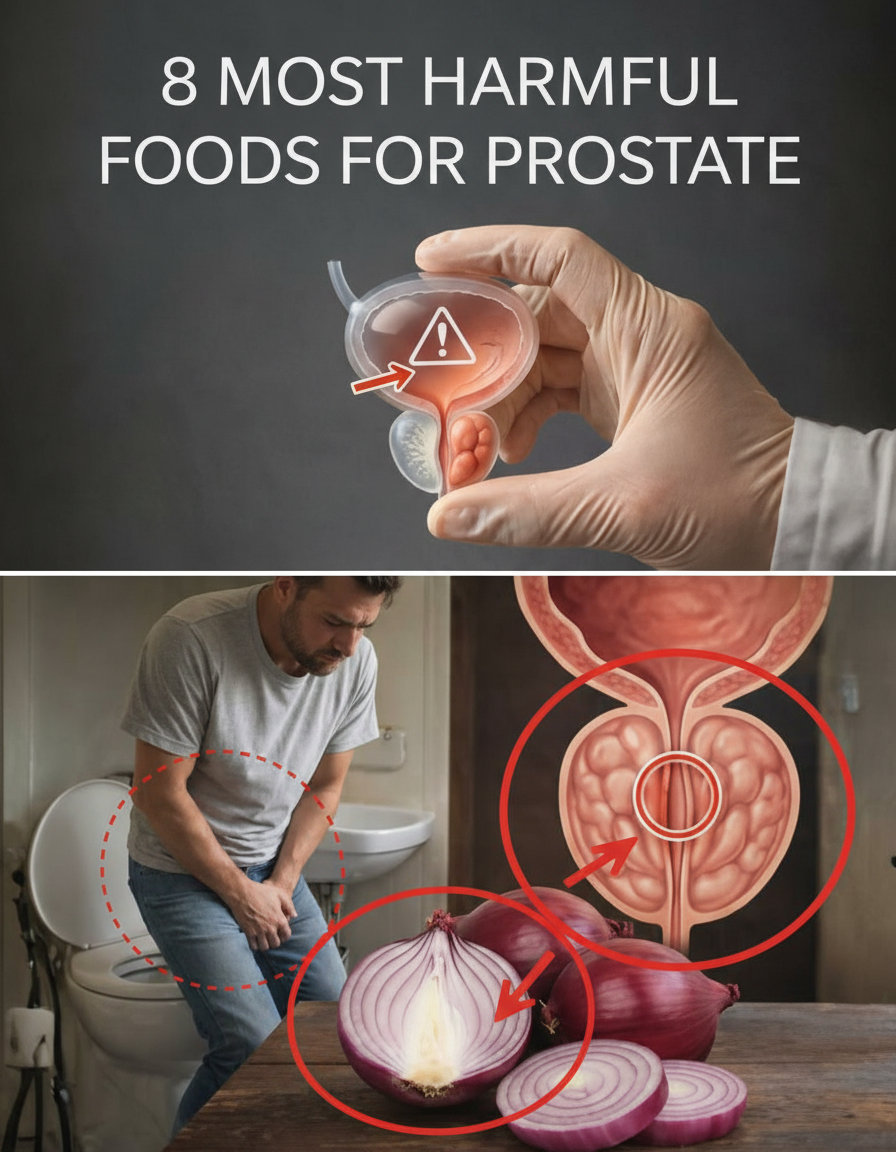
As men progress through life, concerns about prostate health frequently emerge. Changes in urinary patterns, an increased need for nighttime bathroom visits, or general discomfort are often too readily dismissed as mere consequences of aging. However, global health statistics underscore that prostate cancer remains one of the most commonly diagnosed cancers among men. Crucially, research indicates that certain everyday foods might inadvertently contribute to inflammation and other factors that challenge prostate wellness. While these dietary staples are common in many routines, the encouraging news is that a heightened awareness and thoughtful adjustments to your eating habits can significantly support long-term prostate comfort and overall vitality.
The Rising Focus on Men’s Prostate Wellness
Prostate-related challenges, such as benign prostatic hyperplasia (BPH) or prostatitis, impact millions of men, particularly those over 40 or 50. The American Cancer Society consistently highlights prostate cancer as a major health issue, projecting hundreds of thousands of new diagnoses each year and underscoring the importance of early screening and awareness. Symptoms ranging from an urgent need to urinate to a weakened stream can significantly interfere with daily activities, sleep quality, and self-assurance. Although factors like age and genetic predisposition are undeniable, a growing body of research identifies dietary habits as a crucial, modifiable element influencing prostate inflammation and associated health risks. Evidence suggests a correlation between diets rich in highly processed or animal-derived foods and elevated indicators of prostate issues, whereas balanced nutritional strategies demonstrate promising protective effects. The truly empowering aspect is that by understanding which foods to moderate or avoid, men can actively embrace a diet abundant in beneficial options—such as diverse vegetables, healthy fats, and adequate hydration—leading to noticeable improvements in energy levels and overall well-being.
1. Processed Meats (Bacon, Sausage, Deli Slices)
While a quick bacon sandwich or a convenient deli meat lunch might seem appealing, consistent consumption of processed meats has been flagged in numerous studies. Research, including comprehensive reviews in leading nutrition journals, associates higher intake of items like bacon, sausages, and cold cuts with an elevated risk of prostate issues. This is often attributed to compounds such as nitrates, various preservatives, and heme iron, which can trigger oxidative stress and inflammatory responses within the body. Many men who reduce their consumption of these foods often observe improvements in their urinary regularity and comfort. If processed meats feature heavily in your weekly menu, prioritizing a change here could be highly beneficial.
Healthier Swap: Choose lean grilled chicken, turkey, or embrace plant-based protein sources such as lentils and beans.
2. Red Meat (Especially Charred or Well-Done)
The allure of a perfectly grilled steak or a succulent burger is undeniable. However, cooking red meat at very high temperatures, especially until charred, produces compounds known as heterocyclic amines (HCAs). Several studies suggest these HCAs can induce cellular stress within prostate tissues. Longitudinal research has consistently linked frequent consumption of red meat, particularly its seared varieties, to an increased likelihood of prostate-related health challenges. A valuable, yet often overlooked, tip: Marinating red meat with antioxidant-rich herbs like rosemary before cooking can significantly help in mitigating the formation of these potentially harmful compounds.
Healthier Swap: Opt for leaner cuts of meat prepared at moderate temperatures, or integrate more fish and poultry into your diet.
3. Full-Fat Dairy Products (Cheese, Whole Milk, Ice Cream)
While full-fat dairy items like creamy cheese or whole milk are often perceived as benign, or even essential for calcium, extensive meta-analyses published in clinical nutrition journals have indicated a potential association between high dairy consumption and an elevated risk of prostate cancer. This link is hypothesized to involve factors such as insulin-like growth factor 1 (IGF-1) and saturated fats, which may influence cellular proliferation and activity. Anecdotal reports suggest many men experience a general feeling of lightness and improved well-being after transitioning away from full-fat dairy.
Healthier Swap: Explore plant-based alternatives such as almond milk, oat milk, or soy milk, and consume low-fat dairy options sparingly.
4. Fried Foods and Trans Fats
The immediate gratification from crunchy fried chicken or crispy fast-food fries is undeniable. However, these culinary staples frequently contain unhealthy trans fats and oxidized oils, which are potent drivers of systemic inflammation throughout the body. A wealth of research connects regular consumption of fried foods not only to general health issues but specifically to increased prostate inflammation.
Healthier Swap: Achieve that satisfying texture by opting for baking, air-frying, or grilling methods, which circumvent the detrimental effects of excessive oil and trans fats.
5. Excessive Alcohol Consumption (Beer, Liquor, Wine)
While enjoying a beer or cocktail can be a way to relax, heavy or habitual alcohol intake can significantly impact prostate health. Scientific investigations suggest that excessive alcohol consumption may elevate estrogen levels and increase oxidative stress within the body, both of which have been implicated in a higher risk of prostate-related complications. Adopting a moderate approach—typically defined as no more than one drink per day for most men—is often associated with an improvement in symptoms like urinary urgency.
Healthier Swap: Consider refreshing alternatives such as sparkling water infused with lemon or lime, or a variety of soothing herbal teas as part of your unwinding routine.
6. Sugary Foods and Refined Carbohydrates (Soda, Pastries, White Bread)
The rapid energy boost from sugary drinks or pastries often leads to a sharp spike in insulin levels, which over time can foster chronic inflammation. Contemporary nutritional research specifically links a high intake of sugar-sweetened beverages to heightened concerns regarding prostate health. These foods, along with refined carbohydrates like white bread, offer little nutritional value and can disrupt metabolic balance.
Healthier Swap: Satisfy your cravings with natural sweetness from fresh fruits, choose complex whole grains for sustained energy, or opt for water infused with fruits and herbs for a refreshing, healthy alternative.