 By admin
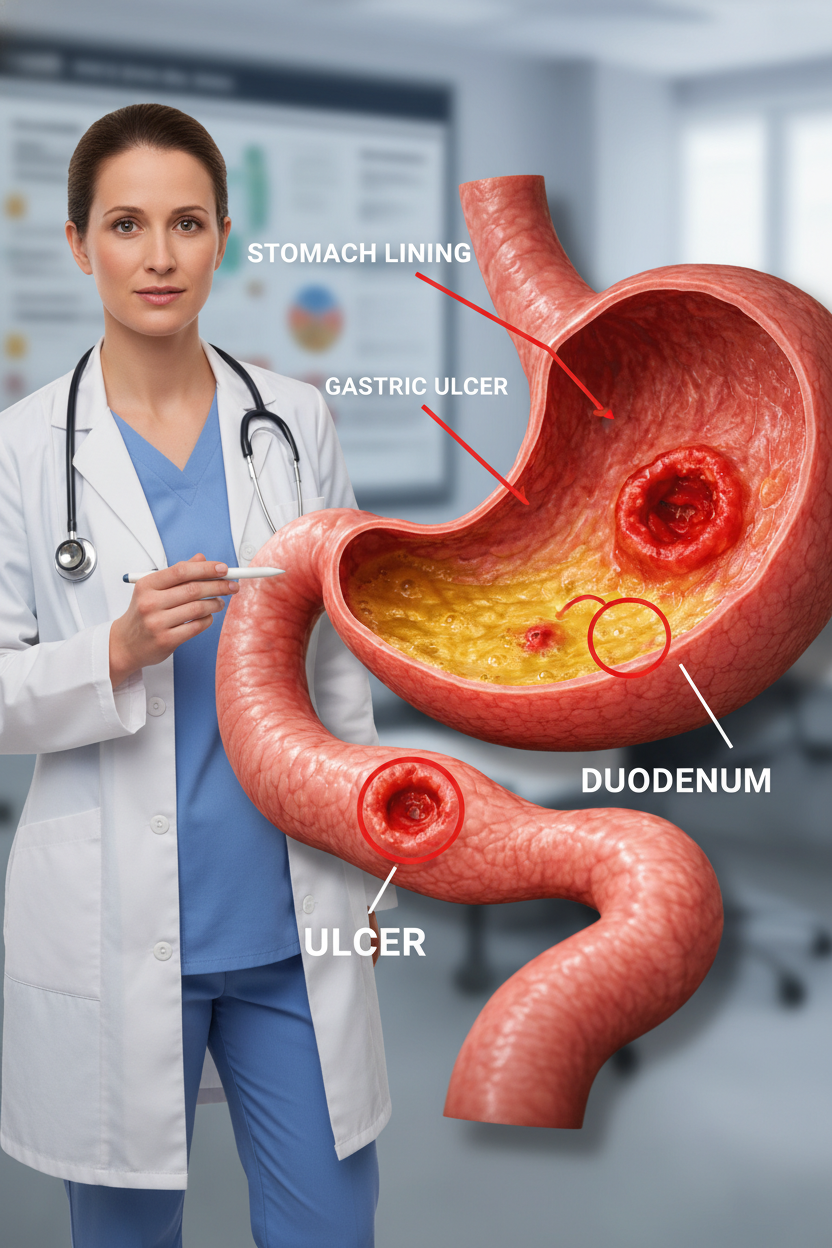
 Experiencing a peptic ulcer, whether it’s in your stomach or duodenum, often brings significant discomfort and can be incredibly disruptive. The persistent burning, uncomfortable bloating, and general digestive distress can profoundly impact daily life. Even when diligently following medical advice, many individuals observe that particular foods and beverages can trigger symptom flare-ups and impede the crucial healing process. While dietary choices are not the root cause of ulcers, leading health organizations such as the Mayo Clinic and WebMD confirm that specific foods can exacerbate irritation of the gastric lining and intensify symptoms. The good news is that by strategically modifying your diet, you can create a more conducive environment for your body to heal. Moreover, one common daily habit might be hindering your recovery more than you realize – read on to uncover this important insight.
Why Your Dietary Choices Are Crucial for Ulcer Healing
Peptic ulcers represent open lesions within the protective lining of the digestive system, frequently associated with either the presence of H. pylori bacteria or prolonged use of non-steroidal anti-inflammatory drugs (NSAIDs). Contemporary medical research, supported by findings from bodies like the National Institute of Diabetes and Digestive and Kidney Diseases, highlights that diet serves a vital supportive function in managing symptoms and fostering recovery. Specific food and drink selections possess the capacity to heighten stomach acid secretion, prolong digestive transit times, or directly inflame already sensitive areas. This can significantly impede the natural tissue repair process and amplify discomfort. While individual sensitivities differ greatly, making personal observations about your body’s reactions is paramount. Nevertheless, beginning by identifying and addressing widely recognized irritants offers an excellent starting point for effective symptom control and accelerated healing.
Key Foods and Beverages to Limit or Avoid for Peptic Ulcer Relief
When aiming for optimal peptic ulcer healing and relief from symptoms, experts consistently advise reducing or eliminating the following common irritants:
- Alcoholic Beverages: According to guidelines from institutions like the Mayo Clinic, even small quantities of alcohol can compromise the stomach’s protective mucous barrier, elevate stomach acid levels, and significantly hinder the recovery process.
- Caffeinated Drinks (Coffee, Tea, Energy Drinks): These beverages are known to stimulate gastric acid production, which can intensify irritation of the ulcer. Notably, some sensitive individuals may even experience adverse reactions from decaffeinated versions.
- Spicy Foods (Chili Peppers, Hot Sauces, Pungent Seasonings): While hot and spicy ingredients do not directly cause ulcers, compounds like capsaicin, commonly found in chili peppers, can induce a burning sensation and considerable discomfort in many individuals with sensitive digestive systems.
- Fried and High-Fat Foods (e.g., French Fries, Deep-Fried Chicken, Fatty Cuts of Meat): Foods rich in fat are notoriously difficult and slow to digest. This prolonged digestion can lead to increased bloating, abdominal pain, and extended exposure of the delicate gastric lining to stomach acid, delaying healing.
- Highly Acidic Foods (e.g., Citrus Fruits, Tomatoes, Vinegar-Based Products): For many sensitive individuals, particularly those also experiencing acid reflux, these highly acidic items can readily trigger or exacerbate ulcer symptoms due to their inherent acidity.
- Chocolate: This popular treat contains components that can relax the lower esophageal sphincter, potentially contributing to acid reflux, and may also stimulate increased stomach acid production.
- Carbonated Drinks: The effervescence and gas in carbonated beverages can cause stomach distension and bloating, creating additional pressure and discomfort on an already irritated digestive tract.
However, simply knowing which foods to avoid is just one piece of the puzzle. The true impact on your recovery often hinges on how these dietary choices integrate with your broader daily habits and lifestyle.
Dietary Alternatives: Irritants vs. Soothing Options for Ulcer Management
To help you navigate your dietary choices more effectively and identify beneficial patterns, here’s a direct comparison of common irritants and their gentler, ulcer-friendly alternatives:
| Potential Irritants | Mechanism of Discomfort | Recommended Gentler Alternatives |
|---|---|---|
| Alcoholic Beverages | Elevates stomach acid and compromises the protective gastric lining. | Herbal teas (non-caffeinated) or plain water. Water with a slice of lemon might be acceptable if well-tolerated. |
| Coffee / Strong Black Tea | Significantly stimulates the production of stomach acid, aggravating ulcers. | Decaffeinated herbal infusions (e.g., chamomile, ginger) or a mild green tea. |
| Pungent/Spicy Dishes | Can cause direct chemical irritation and a burning sensation on sensitive tissues. | Flavor with mild, aromatic herbs such as basil, oregano, thyme, or rosemary. |
| Fried & High-Fat Foods | Delays gastric emptying, leading to bloating, pain, and prolonged acid exposure. | Opt for lean proteins prepared by baking, steaming, grilling, or poaching. |
| Citrus Fruits / Tomatoes | High natural acidity can trigger or worsen symptoms, especially with reflux. | Non-acidic fruits like ripe bananas, various melons, or peeled apples (to reduce fiber if sensitive). |
| Chocolate | Contains compounds that can relax the lower esophageal sphincter and increase acid. | If a sweet craving arises, consider small amounts of carob, which is less acidic and stimulant. |
Remember, individual responses vary. It is crucial to closely monitor your body’s specific reactions; what might be a trigger for one person could be perfectly fine for another.
Actionable Strategies for Immediate Peptic Ulcer Symptom Relief
Beyond simply identifying irritating foods, incorporating these practical and actionable tips into your daily routine can significantly enhance your comfort and support the healing process:
- Opt for Smaller, More Frequent Meals: Instead of consuming large, heavy meals that can distend the stomach and increase acid production, aim for several smaller meals throughout the day. This reduces the burden on your digestive system.
- Avoid Late-Night Eating: Crucially, cease all food consumption at least 2 to 3 hours before lying down for sleep. This allows your stomach ample time to empty, significantly minimizing the risk of nighttime acid reflux and discomfort—the surprising habit mentioned earlier!
- Maintain a Food and Symptom Diary: For a week or two, diligently record everything you eat and drink, alongside any symptoms you experience. This personal journal can be invaluable for identifying your unique triggers and patterns.
- Prioritize Gentle Cooking Methods: Favor cooking techniques such as steaming, baking, poaching, or boiling. These methods require less fat and make foods easier to digest, in contrast to frying, which can be harsh on an irritated stomach.
- Hydrate Mindfully: Ensure adequate fluid intake by sipping plain water consistently throughout the day. Avoid gulping large quantities, which can introduce air and cause bloating; slow sips are gentler on the stomach.
Implementing these seemingly minor adjustments can lead to a remarkable improvement in your daily digestive well-being and accelerate your journey towards peptic ulcer recovery.
Frequently Asked Questions About Managing Peptic Ulcers Through Diet
Here are answers to some common inquiries regarding dietary management for peptic ulcers:
- “If a particular food doesn’t cause me discomfort, should I still avoid it?”
Absolutely not. Individual tolerance is the most critical factor. If you find that a specific food or beverage does not provoke pain, bloating, or any other ulcer-related flare-ups for you personally, then there is generally no reason to completely remove it from your diet. Listen to your body. - “Is it necessary to adhere to a restrictive ‘bland diet’ indefinitely?”
The consensus among medical professionals, including insights from health resources like Healthline, is that a permanent, overly strict bland diet is typically not required. The focus should instead be on identifying and avoiding your specific personal triggers while cultivating a diverse, balanced, and nutrient-dense eating plan that supports overall digestive health and healing.