 By admin
 Understanding Toenail Concerns and the Appeal of Natural Solutions
Living with discolored, thickened, or brittle toenails can be a source of significant embarrassment and frustration. For many, this common issue impacts their self-confidence, making them hesitant to wear sandals or walk barefoot. Often associated with stubborn fungal growth beneath the nail surface, these persistent conditions can linger for extended periods, even after numerous efforts to restore a healthy appearance. The growing appeal of natural ingredients, particularly fresh garlic found right in your kitchen, offers a promising avenue for individuals seeking supportive home care solutions for improved nail health. This article delves into how this simple, yet powerful, kitchen staple can be thoughtfully incorporated into a consistent routine, detailing popular preparation and application methods.
Globally, millions grapple with various toenail concerns, most notably discoloration (ranging from yellowish to brownish hues), noticeable thickening, or fragile, crumbling edges. These changes typically progress gradually, often leading to delayed action until the aesthetic impact becomes undeniable. The widespread appeal of natural home remedies stems from their accessibility, affordability, and the use of readily available household items. While scientific research has investigated numerous natural compounds for their potential antifungal attributes in controlled laboratory environments, it’s crucial to acknowledge that real-world outcomes can differ, and professional medical advice is always paramount. Among these natural options, garlic holds a distinguished position, thanks to its extensive use in traditional wellness traditions and the presence of allicin – a potent compound released upon crushing or chopping fresh cloves. Laboratory studies indicate that allicin may exhibit antifungal activity against specific fungi in isolated tests; however, concrete evidence regarding its ability to deeply penetrate the nail plate remains sparse.
What Makes Garlic a Focus for Natural Nail Care?
Beyond its culinary versatility, garlic is renowned for its rich composition of sulfur-containing compounds, responsible for its distinctive aroma and potential health benefits. The act of crushing fresh garlic triggers the release of allicin, a compound that, according to laboratory investigations, demonstrates the capacity to inhibit the growth of various fungi, including those commonly linked to nail issues. For instance, studies involving garlic extracts have shown promising activity against specific fungal strains such as Candida and certain dermatophytes when tested in petri dish settings. Nevertheless, experts frequently caution that these isolated effects may not directly translate to the complex environment of thick, affected toenails, where achieving adequate penetration remains a significant hurdle. Despite these considerations, garlic continues to be explored for several compelling reasons:
- It is an affordable and easily accessible ingredient.
- Its preparation for topical use is simple and can be done at home.
- Many individuals prefer and trust natural, plant-based health solutions.
It is vital to manage expectations: results are never guaranteed, and individual experiences with natural remedies can vary considerably.
A Common Topical Application Method for Garlic in Nail Care
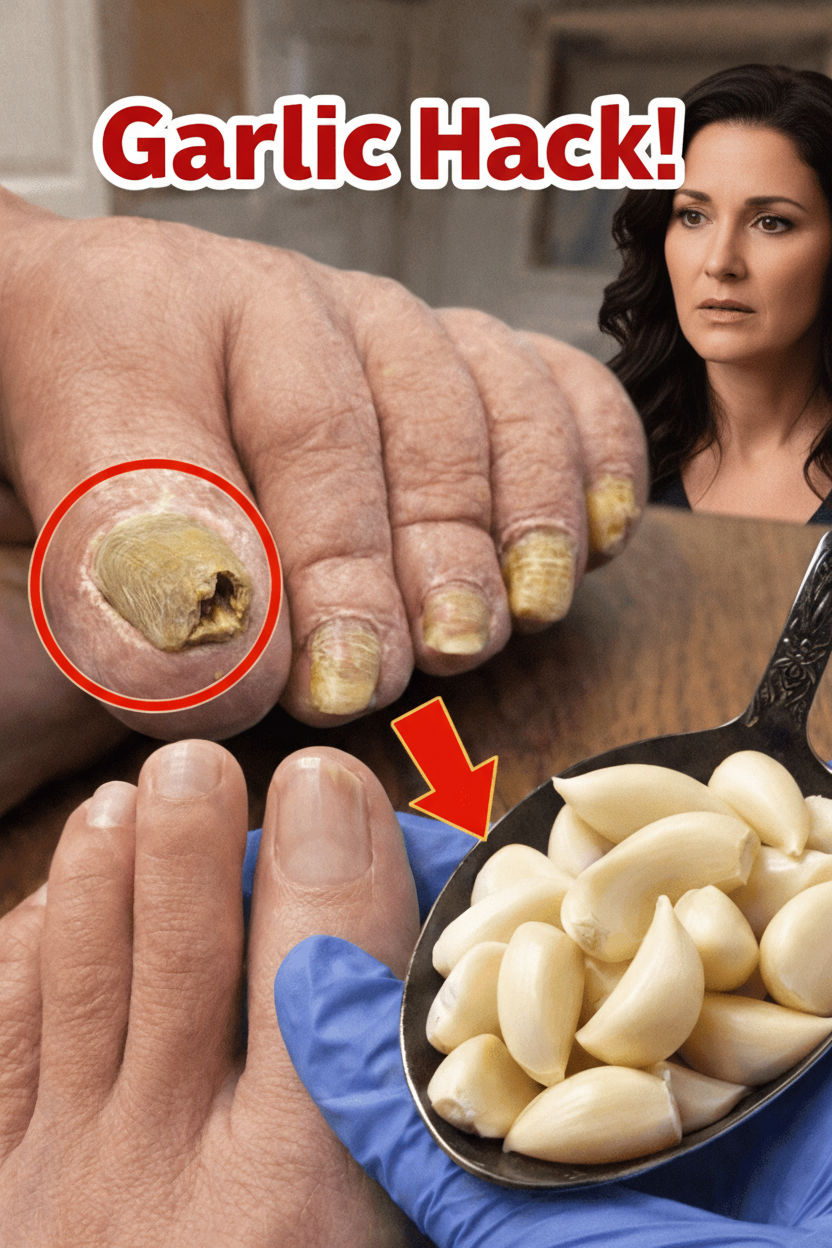
For those interested in exploring garlic’s topical use, here’s a step-by-step guide outlining popular application techniques discussed in natural wellness communities. Remember to always perform a patch test on a small area of skin first to check for any sensitivities or adverse reactions.
- Select Fresh Cloves: Opt for firm, plump garlic cloves to ensure optimal freshness and potency.
- Activate Allicin: Peel 2-3 cloves and thoroughly crush them using a garlic press or the broad side of a knife. This action is crucial for releasing allicin.
- Formulate the Mixture: Create a paste by blending the crushed garlic with a suitable carrier oil, such as olive oil or coconut oil, typically in a 1:1 ratio. The carrier oil helps to dilute the garlic and may mitigate potential skin irritation.
- Precise Application: Using a cotton swab or a clean fingertip, carefully dab the garlic mixture directly onto the affected toenail(s).
- Allow to Absorb: Loosely cover the treated nail with a bandage or sterile gauze and let it remain for approximately 20-30 minutes.
- Cleanse and Hydrate: Afterward, gently wash the area with mild soap and warm water, ensuring it is thoroughly dried. Follow up with a gentle moisturizer to prevent dryness.
- Maintain Consistency: Many users integrate this application into their daily or every-other-day routine over an extended period for sustained support.
As an alternative for those sensitive to garlic’s strong odor or seeking internal support, garlic supplements, such as aged garlic extract capsules, can be taken as directed. These may contribute to overall wellness without the direct topical scent.
However, topical applications are only one part of the equation. For the best possible outcomes in managing toenail issues, integrating these practices with diligent nail hygiene habits is essential.
Holistic Nail Care: Essential Habits for Optimal Toenail Health
To maximize the effectiveness of any toenail care regimen, it is crucial to complement topical treatments with robust daily hygiene practices. These supportive habits create an environment less conducive to nail problems and promote overall toenail vitality:
- Regular Trimming and Cleaning: Keep toenails neatly trimmed and clean. Gently file down any thickened areas to a manageable length.
- Thorough Drying: After showering, bathing, or swimming, meticulously dry your feet, paying special attention to the spaces between your toes, where moisture can easily accumulate.
- Opt for Breathable Footwear: Select socks made from moisture-wicking materials like cotton and shoes that provide ample air circulation to prevent humidity buildup.
- Protect Feet in Public Spaces: Always wear sandals or flip-flops in communal areas such as public showers, swimming pools, and gyms to minimize exposure to fungi.
- Sanitize Nail Tools: Use dedicated clippers and files for affected nails and thoroughly disinfect all nail care tools after each use to prevent the potential spread of issues.
”
}
“`