 By admin
 Tinnitus Unmasked: When Persistent Ear Ringing Signals Deeper Health Concerns
Experiencing persistent sounds like ringing, buzzing, whooshing, or even roaring in your ears – a condition medically termed tinnitus – can be profoundly disruptive and frustrating. This internal noise often interferes with concentration during tranquil periods, impedes restful sleep, and can foster a sense of isolation, as it’s a sound only you perceive. For countless individuals, tinnitus becomes an unwelcome daily presence, frequently intensifying in quiet surroundings. While often benign, the true concern surfaces when this auditory phenomenon becomes frequent, more intense, or alters its character, potentially indicating an underlying health issue. Crucially, recognizing these potential connections can equip you to implement straightforward management strategies and identify precisely when medical consultation is warranted – especially when a specific pattern emerges as a clear call for immediate attention.
Understanding Tinnitus: More Than Just “Ringing”
Tinnitus isn’t a standalone disease; rather, it serves as a symptom where you perceive sounds that originate internally, not from external sources. Research indicates that this condition affects millions globally, often linked to various changes within the auditory system. However, many people are unaware of the wide range of sounds tinnitus can present. Some individuals report a steady, high-pitched ring, while others describe a low roar, a rhythmic pulse, or even a hissing sound. Authoritative health organizations, such as the Mayo Clinic and Cleveland Clinic, emphasize that while a majority of cases stem from minor, easily managed issues, certain specific patterns of tinnitus warrant closer medical investigation.
Common Everyday Triggers Behind Tinnitus
In numerous instances, the onset of ringing in the ears can be attributed to routine factors that accumulate over time. Prolonged or repeated exposure to excessive noise – whether from vibrant concerts, heavy machinery, or headphones used at high volumes – can inflict damage upon the delicate hair cells within the inner ear. Similarly, the natural process of age-related hearing loss often ushers in gradual tinnitus as these cochlear hair cells naturally degrade. Furthermore, temporary blockages, such as excessive earwax buildup or fluid accumulation from a common cold or allergies, can create pressure within the ear canal, leading to transient ringing. These types of tinnitus are typically manageable through basic preventative habits, like utilizing ear protection in noisy environments or seeking professional guidance for gentle earwax removal.
When Tinnitus Points to Inner Ear Concerns
Tinnitus is frequently interconnected with the inner ear, the intricate labyrinth responsible for both balance and hearing. Progressive hearing loss, for instance, can make it challenging for the brain to process everyday sounds, often resulting in that persistent internal ring. Studies further indicate a strong link between tinnitus and Meniere’s disease – an inner ear disorder characterized by fluid buildup. This condition commonly manifests with tinnitus alongside debilitating episodes of dizziness, a sensation of fullness or pressure in the affected ear, and significant balance challenges. Recognizing the simultaneous occurrence of these symptoms is vital for seeking a timely and accurate medical evaluation.
The Role of Nerve and Tumor-Related Issues
In rarer scenarios, tinnitus may emerge as an early indicator of pressure on the auditory pathways. For example, a benign, slow-growing tumor on the vestibulocochlear nerve (the nerve responsible for hearing and balance), often referred to as an acoustic neuroma or vestibular schwannoma, can cause persistent or worsening unilateral ringing. Research highlights that this typically affects only one ear and may be accompanied by a gradual decline in hearing on that side. While uncommon, awareness of this possibility encourages prompt medical checks, particularly when symptoms are exclusively one-sided and progressive.
Vascular and Blood Flow Connections
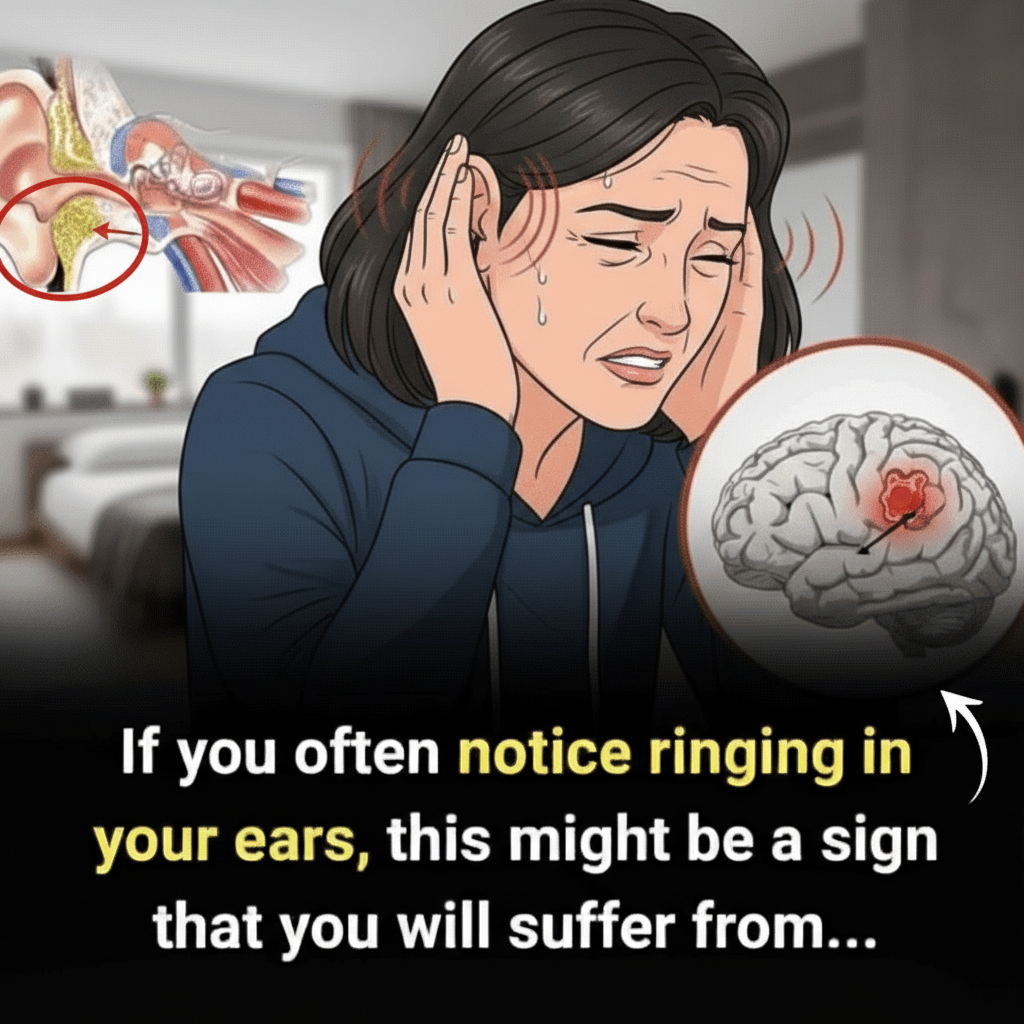
One particularly distinct form of tinnitus is pulsatile tinnitus – characterized by a rhythmic pulsing, whooshing, or throbbing sound that synchronizes precisely with your heartbeat. This specific type of ringing in the ears is frequently associated with changes in blood flow near the auditory system. Potential causes include elevated blood pressure, narrowed arteries (atherosclerosis), or other underlying circulatory factors. Medical experts, including those at the Cleveland Clinic, underscore that this unique pattern can sometimes highlight vascular issues that warrant early attention, as it differs significantly from the more common, non-rhythmic sounds many people experience.
Ear, Nose, and Throat Factors Not to Overlook
Everyday ENT issues often contribute to the development of tinnitus. These can include:
- Inflammation or infections affecting the middle or outer ear.
- Blockage of the Eustachian tube, frequently caused by allergies or sinus problems.
- Accumulated earwax creating pressure against the eardrum.
While these conditions typically resolve with appropriate medical care, neglecting them can prolong discomfort and the presence of tinnitus.
Other Surprising Contributors to Tinnitus
Beyond the direct ear structures, tinnitus can sometimes be linked to a variety of less obvious factors:
- Jaw joint issues (Temporomandibular Joint or TMJ disorders), where tension or misalignment can affect nearby auditory structures.
- Changes in the neck, stemming from poor posture or age-related wear and tear.
- Certain medications that list tinnitus as a potential side effect – always a point to discuss with your healthcare provider.
- Past head or neck injuries, even those that seemed minor at the time.
Key Signs It’s Time to Seek Professional Guidance for Tinnitus
Knowing when to consult a medical professional can significantly impact the effective management of tinnitus. Pay close attention and seek expert advice if your tinnitus:
- Persists for more than one week without any signs of improvement.
- Occurs predominantly or exclusively in only one ear (unilateral tinnitus).
- Is accompanied by noticeable changes in hearing, episodes of dizziness, or problems with balance.
- Presents as a rhythmic, pulsing, or throbbing sound that matches your heartbeat (pulsatile tinnitus).