 By admin
 Understanding the Risks: How Dietary Supplements Can Impact Your Liver and Kidneys
Many individuals routinely consume dietary supplements with the belief that they are enhancing their health. However, emerging research indicates that certain popular supplements, particularly when taken in high doses or over extended periods, may pose significant risks to your liver and kidneys. Studies increasingly show that herbal and other dietary supplements are contributing to a rising number of liver injury cases, some even necessitating urgent medical intervention. This information can be unsettling, especially for those who rely on these products for general wellness, energy boosts, or to achieve specific health objectives. Fortunately, by understanding these potential dangers and adhering to established guidelines, you can make more informed and safer choices.
In this article, we will delve into common supplements linked to potential harm to the liver and kidneys, drawing insights from scientific reports and authoritative databases like LiverTox. We will also provide practical advice to help you safeguard these vital organs. Stay with us to discover actionable tips that can profoundly influence your approach to supplementation.
The Critical Role of Your Liver and Kidneys, and Why Supplements Can Strain Them
Your liver acts as the body’s primary processing plant, metabolizing everything you ingest, from vitamins and minerals to herbal compounds, converting them into usable forms or preparing them for elimination. Concurrently, your kidneys are responsible for filtering waste products from your blood. When you consume supplements in excessively high doses or in highly concentrated forms, these organs can become overburdened. This overload can manifest as elevated enzyme levels or, in some individuals, lead to more severe health complications.
Research from esteemed sources such as the Drug-Induced Liver Injury Network (DILIN) and studies published in journals like JAMA Network Open confirm that while most supplements are safe at recommended doses, specific botanicals and nutrients have been associated with potential organ toxicity. Furthermore, individual factors such as genetic predispositions, pre-existing health conditions, or the concurrent use of multiple products can heighten vulnerability. The increasing prevalence of supplement use has unfortunately coincided with a rise in reported adverse events, with estimates suggesting millions of adults regularly consume ingredients that warrant careful consideration.
Key Supplements Frequently Implicated in Liver Concerns (Hepatotoxicity)
Below are some of the most commonly cited supplements in recent studies concerning potential hepatotoxicity (liver-related issues). While often popular for their perceived health benefits, their high-dose or prolonged use has raised significant red flags for liver health.
- Green Tea Extract: Widely used for its antioxidant properties and in weight management, concentrated extracts – particularly those rich in epigallocatechin gallate (EGCG) – have been linked to acute liver injury in certain cases, as documented by LiverTox and DILIN reports.
- Turmeric/Curcumin: Highly favored for its anti-inflammatory and joint health benefits, high-dose curcumin supplements (especially formulations designed for enhanced absorption) frequently appear in recent reports of liver injury.
- Ashwagandha: This adaptogenic herb, popular for stress reduction, has been associated with potential adverse liver effects, particularly in susceptible individuals.
- Garcinia Cambogia: Marketed primarily for weight loss, this botanical is among those identified in national surveys for its potential to cause hepatotoxicity.
- Black Cohosh: Commonly used to alleviate menopause symptoms, it has been connected to liver concerns in various medical databases.
- Red Yeast Rice: Often taken to support cholesterol levels, this supplement may contain compounds similar to statin medications, thereby increasing risks for both liver and muscle problems.
Estimates suggest that approximately 4-5% of U.S. adults (roughly 15 million people) regularly consume one or more of these botanicals. Here’s a brief overview of why these particular supplements warrant attention:
- Primary Reasons for Use: Generally for overall health, weight management, or stress relief.
- Key Risk Factor: The consumption of high doses or concentrated extracts, rather than typical amounts found in food.
- Organs Affected: Primarily the liver, though some, like high-dose niacin, can indirectly strain the kidneys through systemic effects.
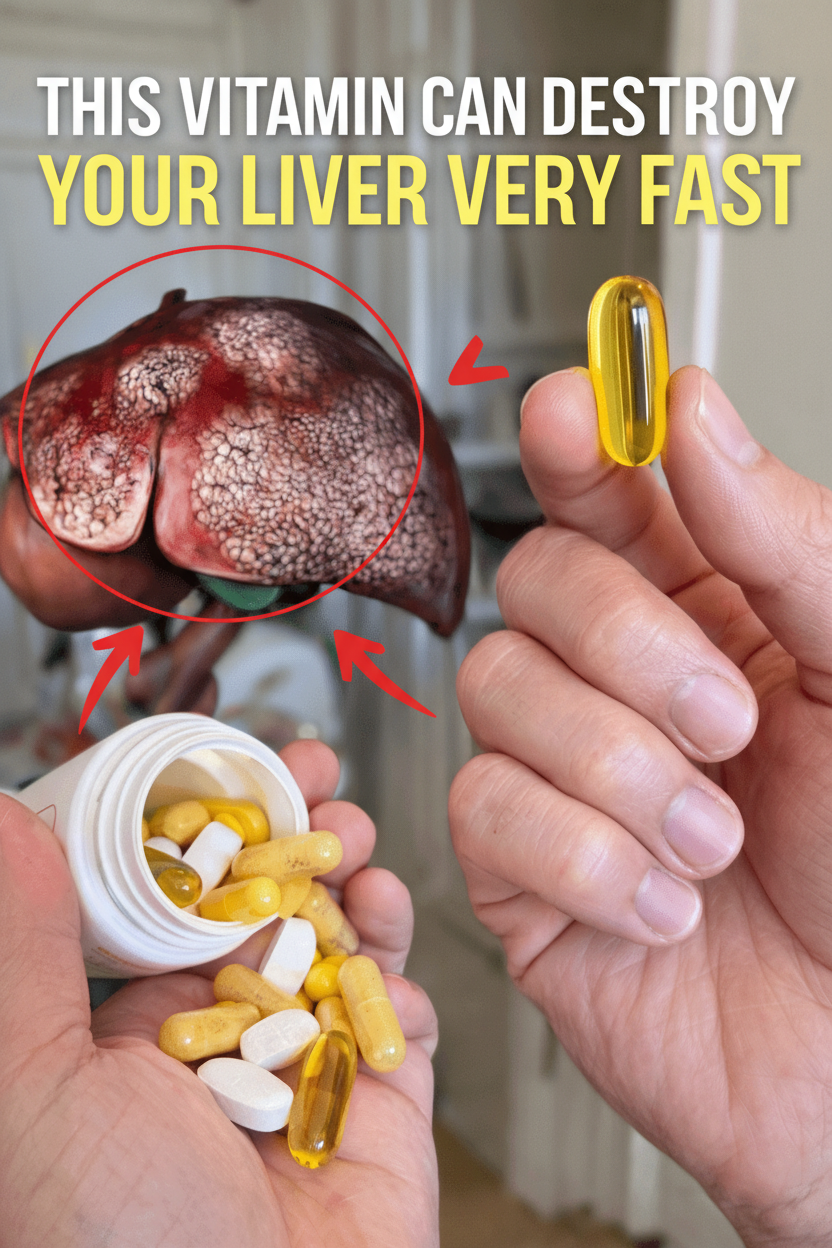
Vitamins: Identifying Those That Require Caution in Excess
While herbal supplements often garner the most attention regarding organ risk, certain vitamins can also lead to problems when consumed in excessive amounts. This is particularly true for fat-soluble vitamins, which accumulate in the body’s tissues.
- Vitamin A: High doses, especially from supplemental sources rather than dietary intake, have long been associated with potential liver damage, including risks of elevated liver enzymes or more severe, long-term effects.
- Niacin (Vitamin B3): Frequently used for cholesterol management, mega-doses of niacin can cause uncomfortable flushing and, more seriously, lead to liver complications.
- Vitamin D: While generally safe at standard levels, extremely high amounts of Vitamin D can potentially cause issues, though this is relatively rare.
It’s crucial to note that research consistently highlights these vitamin-related risks primarily occur with “megadosing” – consuming quantities far exceeding the recommended daily allowances.
Beyond the Liver: How Supplements Can Also Impact Your Kidneys
Although liver issues tend to receive more widespread attention, some supplements can also place a significant strain on the kidneys. This is particularly true if they influence blood pressure, contain high levels of certain minerals, or contribute to dehydration (a common side effect of some weight-loss products).
For instance, excessively high doses of vitamin C or certain herbal preparations may contribute to the formation of kidney stones or exacerbate existing kidney conditions.
”
}
“`